4月22日,司法部公共法律服务管理局仲裁工作处副处长刘世虎一行来校,围绕涉外仲裁人才培养开展专题调研座谈。副校长单文华出席并主持会议。
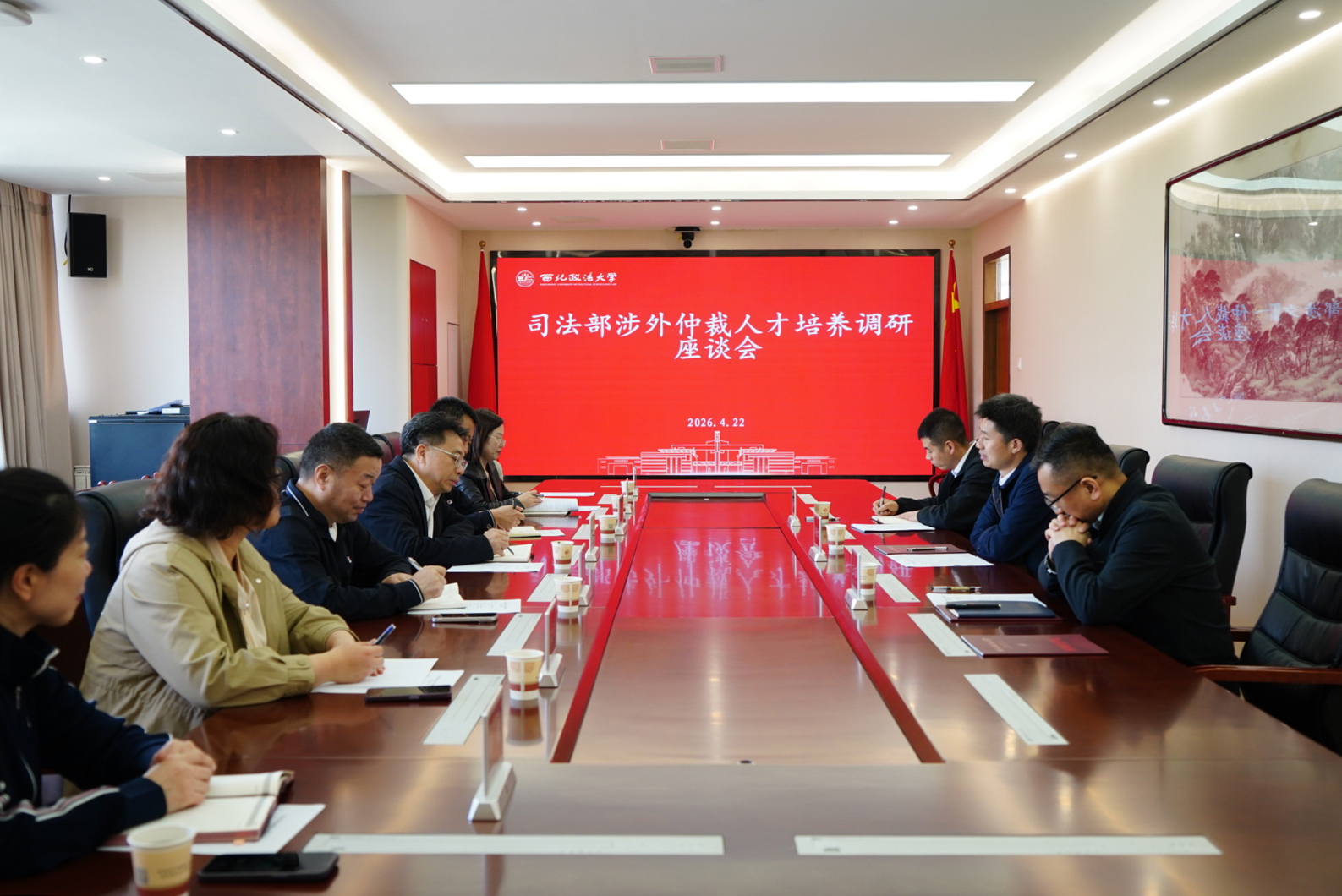
单文华对刘世虎一行的到来表示欢迎,对司法部长期以来关心和支持学校涉外仲裁人才培养工作表示感谢。他从学科体系、课程建设、实践教学及协同培养等方面详细介绍了学校在涉外仲裁人才培养方面的整体布局。他表示,学校将持续加强与司法部的对接合作,深化“订单式”人才培养模式,更好发挥高校在涉外法治人才培养中的主阵地作用。
刘世虎系统介绍了司法部在涉外仲裁人才队伍建设方面的相关政策,表达了与学校进一步深化协作、共同推动涉外仲裁人才培养工作的意愿。他表示,期待双方以此次调研交流为契机,聚焦人才培养、智库建设和理论研究等方面,持续深化合作交流,携手为我国涉外法治建设作出新的更大贡献。
座谈交流环节,双方围绕涉外仲裁人才培养开展深入交流研讨。
省司法厅政府法律事务处有关负责同志,BETWA西汉姆联教务处、民商法学院、国际法学院(国际仲裁学院)、中国-中亚法律查明与研究中心相关负责同志及教师代表参加座谈。
(供稿:党政办公室 撰稿:昌盛 审核:刘淑宝)
关于公共服务 无效非官方的翻译 1999年7月23日第453号哈萨克斯坦共和国法。 非官方的翻译脚注。 2015年11月23日第416-V号哈萨克斯坦共和国法(自2016年1月1日起 生效)到期。 第1章。一般规定 第一条。基本的定义 本法使用下列基本定义: (1)“A”机构——管理级别的行政公共职位,由哈萨克斯坦共和国总统确 定的人员储备、竞争性选拔、绩效和终止公共服务的特殊程序以及特殊资 格要求; (2)调任——按照哈萨克斯坦共和国法律规定的方式任命公职人员担任空缺 或暂时空缺的行政公共职位的程序,同时解除其职务; 3)“B”机构-不包括在“A”机构内的行政公共职位; 4)资格要求-申请行政公开职位的公民的要求,以确定他们的专业培训水平, 能力和符合特定的行政公开职位; 5)官员—作为权力代表或在国家机关中履行组织和管理或行政职能的永久 的、临时的或有特殊权力的人; 6)官方权力-在特定公共职位下的权利和义务,符合公务员工作的国家机关 所面临的目标和任务; 7)职业规划——一个过程,以确定“a”机构行政公务员的官方位移和专业 发展阶段为导向; (8)行政公务员——长期从事专业工作的公务员,但哈萨克斯坦共和国法律 和哈萨克斯坦共和国总统法令另有规定的除外; (9)一类行政公共职位——一套具有相关资格要求的行政公共职位; 10)公共服务——国家机关公务人员为实现国家权力的目标和职能而进行的 行使官方权力的活动; 11)公共服务人员储备- -根据哈萨克斯坦共和国立法规定的程序编制申请空 缺公共职位的哈萨克斯坦共和国公民系统名单;12)公务员——根据哈萨克斯坦共和国法律在国家机关中担任职务的哈萨克 斯坦共和国公民,由共和国或地方预算或哈萨克斯坦共和国国家银行的资 金支付工资,行使官方权力,实现国家目标和职能; (13)公务员道德——本法规定的公务员规则,国家机关的行为,以公认 的道德和伦理标准为基础; 14)公共职位-国家机构的结构单位,负责由规范性法律行为确定的官方权 力和职责范围; 15)政治公务员-公职人员,其任命(选举)、解聘和活动具有政治和决定 性的性质,并负责实现政治目标和目的; 16)利益冲突——公务员的个人利益与其公务权力之间的矛盾,其中公务员 的个人利益可能导致其不恰当地履行公务; (十七)轮岗——甲机关行政公务员依照本法的职业规划经本人同意进行 的正式换岗; 18)实习——根据国家机关的指示,公务员以及登记在行政公共服务人员储 备中的人员在远离固定工作地点的地方获得专业知识和经验; 19)导师——公务员,分配给最初进入公共服务部门的人,并在他(她)的 专业培训中提供实际帮助; 20)临时空缺的公共职位————由于寻找公务员而暂时空缺的公共职位, 在社会休假期间担任该职位,以及由于疾病而不在工作场所,如果该疾病 被列入疾病清单,根据哈萨克斯坦共和国劳动法,哈萨克斯坦共和国政府 可以规定两个月以上的临时残疾期。 脚注。第1条是哈萨克斯坦共和国2012年12月14日第59-V号法律的措 辞(将在其首次正式公布之日起三个月届满后执行);经2013年6月13 日第101-V号哈萨克斯坦共和国法修订(自首次正式公布后10个日历日起 生效)。 第二条。公务员立法 关于公务员制度的立法由《宪法》、本法和哈萨克斯坦共和国的其他规范 性法律文件组成。 第三条。公共服务原则 1。哈萨克斯坦共和国的公务员制度以下列原则为基础: 1)法治; 2)哈萨克爱国主义; 3)公共服务体系的统一,不考虑立法、行政和司法部门的公共权力分立;(四)公民的权利、自由和合法利益优先于国家利益; (五)可及性,即公民根据自己的能力和所受的专业训练,享有获得公共 服务和促进公共服务的平等权利; (六)公民自愿参加公共服务; 7)公务员的专业精神和能力; 8)同工同酬; (九)上级国家机关和工作人员在职权范围内对所属国家机关公务员和所 属国家机关工作人员作出的决定,必须强制执行; 10)公务员的可控性和问责性; (十一)出于舆论宣传的考虑,但构成国家秘密或者受法律保护的其他秘 密的活动除外; (十二)对公务员的法律和社会保护; 13)促进公务员认真、积极地履行公务,执行特别重要和复杂的任务; 14)公务员不履行或不当履行公务以及越权的个人责任; (十五)公务员高级培训的连续性。 2。不允许在国家机关中成立政党。公务人员在执行公务时受法律约束,不 受政党、社会团体及其机构的决定的约束。 第四条。本法适用范围 1。本法适用于所有公务员,但哈萨克斯坦共和国宪法、宪法性法律和其他 立法文件规定其其他不同法律地位的情况除外。 1 - 1。本法适用于由地方代表机构任命的或根据哈萨克斯坦共和国法律选 举产生的行政公职人员,哈萨克斯坦共和国法律和哈萨克斯坦共和国总统 法令未作规定的部分适用本法。 2。公务员不包括: 1)负责维护和保证国家机关运作的人员。哈萨克斯坦共和国政府制定了这 类人员的名单; 2)哈萨克斯坦国家银行及其机构的员工和技术人员。 脚注。经哈萨克斯坦共和国2012年7月5日第30-V号法律修订的第4条 (在其首次正式公布后的十个日历日届满后执行);2013年6月13日第 101-V号(将在其首次正式公布后10个日历日届满时执行)。 第五条。公务授权机关及其属地分支机构1。公共服务事务授权机构(以下简称“授权机构”)是一个国家机构,直 接隶属于哈萨克斯坦共和国总统并对其负责,在公共服务领域执行统一的 国家政策,其任务如下: 1) 2013年7月3日第124-V号哈萨克斯坦共和国法律(将在其首次正式公 布后的十个日历日届满后执行)排除在外; 2)制定建议,以改善公共服务活动的监管法律框架,并根据立法通过其职 权范围内的监管法律行为; 3)制定和批准行政公共职位类别的标准资格要求; 4)维持对人员和公共服务职位状态的监测,包括形成公共服务人员共和数 据库,包括单一自动化数据库(信息系统); 4-1)形成行政公共服务人员储备; 4-2)规定公务员和行政公职候选人的考试程序、程序和组织; 5) 2014年1月13日第159-V号哈萨克斯坦共和国法律(将在其首次正式 公布后的十个日历日届满后执行)排除在外; (6)编制公务员名册并提交哈萨克斯坦共和国总统批准,以及依照本法采取 的行动; (7)协调国家机关在公务员培训、再培训和高级培训问题上的活动,包括在 国外的活动; (8)协调公务人员培训、再培训和高级培训方面的公共采购的形成和安排; 8-1)协调尽早撤销对犯有腐败罪行的行政公务员的纪律处分; (9)监督国家机关在公共服务领域遵守法律的情况; 9-1)监督公务员是否遵守公务员道德; 10)确定争夺行政公共职位的程序,并监测竞争的准确性; 10-1)从候选人符合资格要求的角度协调行政公开职位的任命审批; 10-2)确定制定和批准行政公务员职务说明的程序; 10-3)批准与哈萨克斯坦共和国总统办公厅协调的国家机关人事管理服务 (人事部门)示范条例; (十一)建议撤销国家机关违反本法和其他规范性法律的决定; (十二)审议公务人员对国家机关或公职人员在执行公务立法问题上的行 为和决定提出的申诉; 13) 2014年1月13日第159-V号哈萨克斯坦共和国法律(将在其首次正式 公布后的十个日历日届满后执行)排除在外; (14)参与起草关于公共服务问题的国际条约;14-1)提出提高国家机关提供的服务质量的建议; (15)履行本法、哈萨克斯坦共和国其他法律和哈萨克斯坦共和国总统的 行为规定的其他职能。 2。授权机关及其属下的区域分支机构应当形成统一的公共事务机关制度。 地方分支机构在授权机关设立的职权范围内活动。 2 - 1。授权机构在各地区、共和国重要城市和首都设有纪律委员会,其规 章由哈萨克斯坦共和国总统根据授权机构的建议批准。 3所示。被授权机构及其领土分支机构的决定以命令的形式作出。 脚注。经2003年3月11日第393号哈萨克斯坦共和国法修正的第5条 (执行命令见第2条);2005年7月8日第75号(执行令见第2条); 2011年7月5日第452-IV号(自其首次正式公布之日起执行);2012年 12月14日第59-V号(自首次正式公布之日起三个月期满后强制执行); 2013年7月3日第124-V号(自首次正式公布之日起10个日历日届满后强 制执行);2014年1月13日第159- v号(在首次正式公布后10个日历日 届满后执行)。 第六条。人事管理服务(人事部门) 1。人事管理(人事部门)服务在其职权范围内: (1)协调国家机关结构部门在执行哈萨克斯坦共和国公共服务立法方面的活 动; (2)组织纪律委员会、认证委员会、竞争委员会和其他人事委员会的活动; (三)确保符合认证和竞争选拔、公务员晋升、公务员受到纪律处分、解 雇公务员的程序; (四)组织选拔人员,编制与公务员履行公共服务有关的文件; (五)确保遵守与任职有关的限制; 6) organize internship, mentoring, performance evaluations, training, retraining (requalification) and advanced training of public servants, develop the types of rewards for public servants and the procedure for their application; 7)考虑公务员的个人资料、评估、认证和完成课程的结果信息; (八)行使哈萨克斯坦共和国法律规定的其他职权。 2。人事管理服务(人事部门)在组织上独立于国家机关的其他结构分支机 构,直接隶属于执行秘书或执行办公室主任,在不设执行秘书和执行办公 室主任职务的国家机关,隶属于国家机关负责人。3所示。根据哈萨克斯坦共和国的立法,允许在具有共和国意义的地区、 市和首都、区、市为执行机构建立统一的人事管理服务机构(人事部门), 由有关行政区域单位的预算提供资金。地区、共和国意义的城市、首都、 区、市执行机构的统一人事管理服务(人事部门),由地方预算提供资金, 由有权任命这些执行机构负责人的人决定设立。 对于中央国家机关及其代理机构的区、市、属地分支机构,允许在中央国 家机关及其代理机构的跨地区、区域属地分支机构中设立统一的人事管理 服务机构(人事部门)。区、市属地机构的人事管理(人事司)统一服务, 由中央国家机关及其派出机构的跨地区、区域属地机构负责人决定设立, 或由上级机关决定设立。 脚注。第6条是哈萨克斯坦共和国2012年12月14日第59-V号法律的措 辞(将在其首次正式公布之日起三个月届满后执行)。 第二章。公务员的法律地位 第七条。公务人员职务分类 1。公务员的结构包括公务员的政治和行政职务。 2。公务员职位登记册由哈萨克斯坦共和国总统提出授权机构批准。 职位类别是针对行政公务员设定的。政治公务员不设职位类别。 脚注。第7条是哈萨克斯坦共和国2012年12月14日第59-V号法律的措 辞(将在其首次正式公布之日起三个月届满后执行)。 第八条。公务员的权利 公务员有权: (一)行使哈萨克斯坦共和国宪法和法律赋予共和国公民的权利和自由; (二)在职权范围内参与审议和决定问题,要求有关机关和官员执行问题; (三)按照规定的方式获取执行公务所需的信息和资料; (四)按照规定的程序接触执行公务的组织,不论其所有制形式如何; 5)要求首长根据公务人员所担任的职务,明确规定公务的任务和职责范围; (六)要求首长、其他官员和公民保持个人尊严、公正和尊重; (七)根据职务、素质、经验和本法规定的其他条件,给予晋升和工资待 遇; (八)在有关预算中安排再培训(再任职)和高级培训; 8-1)保留工作(职位)的情况下,他(她)的指导下,国家机关的培训, 根据哈萨克斯坦共和国的立法研究生教育计划或实习的国家命令;(9)不受阻碍地获得与他(她)通过公共服务有关的材料,必要时,个人解 释; (十)因其技能、能力、功绩和公正履行职责而获得晋升; 11)根据一名员工的说法,如果存在毫无根据的指控,则需要进行官方调查; 11-1)根据哈萨克斯坦共和国的法律和其他保护,如果将他们带到其所在的 国家机关的领导人那里,或者到其了解到可信的腐败犯罪案件的执法机构; 12)职业健康和安全,安全的工作条件,这是高绩效所必需的; 13)社会和法律保护; (十四)本人请求解除公职的; (十五)养老金和社会保障; 16)向上级国家机关和官员提出改善公共服务的建议。 脚注。经2012年12月14日第59-V号哈萨克斯坦共和国法修订的第8条 (自其首次正式公布之日起三个月届满后执行)。 第九条。公务员的主要职责 1。公务员应当: (一)遵守共和国宪法和法律; (二)按照哈萨克斯坦共和国总统批准的方式进行公务员宣誓; (3)尊重和保护公民和法人的权利、自由和合法利益,按照法律规定的程序 和条件审议公民的信件,并对其采取必要的措施; (四)在赋予自己的权利和职责范围内行使职权; 4 .(1)在行使职权时保持公正,不受政党、宗教团体和其他社会团体的影响; (五)遵守国家纪律和劳动纪律; 6)接受法律规定的限制; 7)尊重职业道德规则; (八)执行首长的命令和指示,执行上级机关和干部在职权范围内作出的 决定和指示; (九)保守国家秘密和其他受法律保护的秘密,包括在法律规定的期限内 终止公务后,对书面承认的秘密保守秘密; (十)对在执行公务过程中收到的影响公民隐私、荣誉和尊严的信息保密, 除法律规定的情况外,不得要求公民提供此类信息; (十一)保证国家财产的安全,只将委托给自己的国家财产用于公务;12)哈萨克斯坦共和国2010年12月29日第371-IV号法律(将在其首次正 式公布后的十个日历日届满后执行)排除在外; 12-1)立即向其工作的国家机关的行政机关或执法机关举报其所知道的腐败 犯罪案件; 13)提高他们的专业水平和资格,以便有效地执行公务; 14)在国家机关工作,根据国家命令,通过研究生教育项目,在培训完成后 立即进行培训,以及在公共服务方面。培训和劳务租金的条件由哈萨克斯 坦共和国总统在提交授权机构时批准的《公务秩序条例》规定。 2。本法规定的行政公务员的主要职责所产生的具体职责,根据资格要求确 定,并反映在职务说明中。 职务说明由国家机关负责人或经其授权的官员以及在哈萨克斯坦共和国法 律规定的情况下的其他人批准。 脚注。经哈萨克斯坦共和国2009年12月7日第222-IV号法律修订的第9 条(执行命令见第2条);2010年12月29日第371-IV号(将在其首次正 式公布后的十个日历日届满时执行);2011年7月5日第452-IV号(自其 首次正式公布之日起执行);2012年12月14日第59-V号(自首次正式公 布之日起三个月期满后强制执行)。 第十条。限制,与留在公务有关 1。公务员不得: (一)担任代表机构的代表; (二)从事其他有偿活动,但教育、科学和其他创造性活动除外; 3)从事创业活动,包括参与商业组织的管理,无论其组织法律形式如何, 如果根据哈萨克斯坦共和国的立法,直接参与商业组织的管理不是其官方 职责的一部分,除非哈萨克斯坦共和国“反腐败法”另有规定; 4)在他(她)所服务的国家机构中担任第三方代表,无论是直接隶属的机 构还是对其负责的机构; (五)将为公务活动提供物质、技术、财政、信息支持的手段以及其他国 家财产和专有资料用于非官方目的的; (六)参加妨碍国家机关正常运作和执行公务的活动,包括罢工; (七)在执行公务时为个人目的利用公民和法人的服务。 2。根据哈萨克斯坦共和国的法律,公务员应在就职后一个月内,在担任公 职时,转让其拥有的股份、商业组织的法定资本的股份和其他财产,这些财产的使用涉及在信托管理中产生收入,但其合法拥有的金钱除外,以及 租用的财产。财产信托管理合同应当经公证。公务人员自公证之日起十日 内,将经公证的财产信托管理合同副本送交工作场所人事管理(人事部门) 服务。信托管理中公务员财产转让的条件由哈萨克斯坦共和国政府规定。 除哈萨克斯坦共和国政府成员、哈萨克斯坦共和国宪法委员会主席和委员 外,公务员不得转让属于其信托管理的债券、公开和定期共同基金的股份。 公务员有权从信托管理中转移的财产中获得收入。 除哈萨克斯坦共和国政府成员、哈萨克斯坦共和国宪法委员会主席和成员 外,公务员有权租赁住房。 2 - 1。哈萨克斯坦共和国国家银行行长及其副行长应自任命之日起一个月 内调任信托管理工作,并向哈萨克斯坦共和国国家银行人事部门提交经公 证的商业机构持有的共同基金、债券和股票的信托管理合同副本。 哈萨克斯坦共和国国家银行行长及其副手不得入股投资基金、债券和商业 组织的股票。 3所示。公务员不得担任其近亲属(父母、子女、养父母、被养父母、同 父异母兄弟姐妹、祖父母、孙子女)、配偶(妻子)的直属职务,但法律 规定的情况除外。 3 - 1。哈萨克斯坦共和国的立法可以限制公务员对近亲和表兄妹(兄弟姐 妹、父母和配偶的子女)行使公务权力。 4 .下列人员: (一)被正式认定为无行为能力或者部分行为能力的; (二)被法院剥夺一定期限担任公职的权利的; 3)根据医疗机构的意见,患有疾病,妨碍履行公务的,在对健康有特殊要 求的情况下,在任职资格要求中规定了担任有关职务的条件; 4)拒绝接受法律施加的限制,以避免采取可能导致其利用身份和相应权限 为个人、团体等非官方利益服务的行为; 5)在进入公共服务部门前三年,因腐败犯罪被追究纪律责任的。同时,因 贪污罪被开除工作的人不得继续担任公职; 6) 2012年12月14日第59-V号哈萨克斯坦共和国法律(自其首次正式公 布之日起三个月后生效)排除; 6-1)在进入公共服务部门前三年因腐败犯罪受到司法行政处罚的人; 6-2)犯有贪污罪的;2012年12月14日第59-V号哈萨克斯坦共和国法律(将在其首次正式公 布之日起三个月后执行)排除了6-3); (7)有犯罪记录,在进入公共服务部门时未依法被取消或撤销的; (七)曾犯严重或者特别严重的罪行,因不能改罪的理由被定罪或者被免 除刑事责任的; 8)未通过反腐败立法的专项审计; 9)在有组织集团或犯罪集团(犯罪组织)、跨国有组织集团、跨国犯罪集 团(跨国犯罪组织)或稳定的武装集团(匪帮)中犯罪; 对其在有组织集团、犯罪集团(犯罪组织)、跨国有组织集团、跨国犯罪 集团(跨国犯罪组织)、稳定武装集团(团伙)中犯罪的刑事案件,在徒 刑刑罚下限届满前,被检察机关或者法院制止,或者以非改造理由拒绝提 起刑事诉讼的;根据《哈萨克斯坦共和国刑法》特别部分有关条款的规定, -不能被录用为公职人员。 5。2010年12月29日第371-IV号哈萨克斯坦共和国法律(将在其首次正 式公布后的十个日历日届满后执行)排除在外。 脚注。根据2003年9月25日第484号哈萨克斯坦共和国法修正的第10条; 2005年7月8日第75号(执行令见第2条);2007年7月21日第308号; 2009年12月7日第222-IV号(执行令见第2条);2009年12月8日第 226-IV号(自2010年1月1日起执行);日期为2010年12月29日第 371-IV号(将在其首次正式公布后的十个日历日届满后执行);2011年11 月29日第502-IV号(将在其首次正式公布后10个日历日期满后执行); 2012年7月5日第30-V号(将在其首次正式公布后10个日历日期满后执 行);2012年12月14日第59-V号(自首次正式公布之日起三个月期满后 执行)。 第三章。进入公职 第十一条。准许参加政治公共服务 政治公务员进入公共服务部门应以任命或选举为基础,以及在其他情况下 按照哈萨克斯坦共和国立法规定的方式和条件。 脚注。经2003年3月11日第393号哈萨克斯坦共和国法修正的第11条 (执行命令见第2条)。 第十二条。录取为行政公共服务人员 1。哈萨克斯坦共和国公民有权担任公共行政职务。行政公职的担任应在竞争的基础上进行,但本法规定的情况除外,以及由 地方代表机构任命或根据哈萨克斯坦共和国法律进行选举的情况除外。 2。“A”机构行政公共服务人员储备的选拔按哈萨克斯坦共和国总统决定 的方式进行。 应征“A”机关行政公共服务人员预备役的公民,有资格参加应征“A”机 关行政公共职位空缺。 3所示。在竞争性选举中担任“B”机构行政公职的权利包括:议会代表、 马斯里哈特代表、长期工作的政治公务员、法官被终止其权力,但因负面 动机被终止的人除外,任职至少六个月并符合资格要求。 本款第一部分所述人员可担任“A”机构的行政公职,无需在人事储备中 进行选拔,并由哈萨克斯坦共和国总统决定竞争性选拔。 4所示。在进入公共服务部门时,不得以出身、社会、财产状况、性别、 种族、国籍、语言、宗教态度、信仰、居住地或任何其他情况建立任何歧 视。 脚注。第12条是哈萨克斯坦共和国2012年12月14日第59-V号法律的措 辞(将在其首次正式公布之日起三个月届满后执行);经2013年6月13 日第101-V号哈萨克斯坦共和国法修订(自首次正式公布后10个日历日起 生效)。 第十三条。担任公职的条件 1。参加公职人员应当具备下列条件: (一)具有哈萨克斯坦共和国国籍; 2)年满18岁,除非哈萨克斯坦共和国立法对相关职位另有规定。 申请行政公职的人员应符合下列条件: (一)具有必要的学历、专业培训水平,符合任职资格要求; 2)未达到哈萨克斯坦共和国法律规定的退休年龄。 2。公民在担任公职时,有义务向税务机关申报属于他(她)的应纳税财产 的所得和财产。 3所示。行政公共职位的占用在专项审计取得积极结果后进行。 国家机关接收公民临时履行行政公开职位规定的职务,直至特别审计结果 公布之日止。与他们的劳动关系按照哈萨克斯坦共和国的劳工立法进行管 理。劳动合同的签订期限为特别审计期。在特别审计期间,本法关于公务人员的部分义务和责任的规定以及有关公 务人员停留的限制,适用于这些人员。这些人的权利由雇佣合同确定。 4所示。哈萨克斯坦共和国总统可决定担任政治公职的其他条件。 5。“B”机构行政公共职位的资格要求应考虑到行政公务员进行的国家机 构结构分支、官方权力的主要活动,并应由国家机构在与授权机构协商后, 根据行政公共职位类别的标准资格要求予以批准。 “A”机构行政公职的特殊资格要求由哈萨克斯坦共和国总统批准。 脚注。第13条是2012年12月14日第59-V号哈萨克斯坦共和国法的措辞 (自其首次正式公布之日起三个月届满后执行);经2013年6月13日第 101-V号哈萨克斯坦共和国法修订(自首次正式公布后10个日历日届满后 生效)。 第十四条。争夺行政公共职务 1。争夺公共行政职位的竞争规定了哈萨克斯坦共和国公民平等获得公共服 务的权利。 “B”机构空缺和暂时空缺的行政公共职位的竞争由国家机构举行。 公民在参加考试时得到不低于授权机构规定的评价标准的评价,方可参加 竞赛。 2。在中央国家机关、机关及其属地分支机构的竞赛期间,公告发布在中央 国家机关的互联网资源上,以及由授权机构定义的期刊上。 执行机构的竞赛公告由地方预算资助,在执行机构的互联网资源上发布, 由地方预算和授权机构提供资金,并在期刊上发布,由授权机构的地域细 分确定。 在统一人事管理服务(人事部门)的情况下,公告发布在其组成单位的国 家机构的互联网资源上。 3所示。如果在“B”机构临时空缺的行政公开职位上举办,则必须在竞赛 公告中明确此条件。 4所示。竞赛程序和竞赛委员会的组成由授权机构确定。 5。在大区,具有共和意义的城市,首都,区,市,允许建立统一的执行机 构竞争委员会,由相应的行政区域单位的预算提供资金。地区、共和国意 义的城市、首都、区、市执行机构的统一竞争委员会,由地方预算资助, 由一个人的决定创建,有权任命这些执行机构的负责人。对于中央国家机关及其代理机构的区、市领土分支机构,允许在中央国家 机关及其代理机构的区域间或区域领土分支机构中设立统一的竞争委员会。 区、市领土分区统一竞争委员会由中央国家机关及其机构的区域间或区域 领土分区负责人决定设立,或由上级机关决定设立。 6。获得竞赛委员会积极评价的参赛选手,有权担任“B”机构的行政公开 职务。 7所示。有任免权的人必须接受获得竞赛委员会肯定意见的竞赛参与者到 B机构申报的行政公开职位。应满足哈萨克斯坦共和国关于公共服务的立 法所规定的要求。 8。竞赛参加者未得到竞赛委员会的肯定意见,但被推荐为公务人员的,有 权纳入“B”机构行政公务人员储备。 经国家机关竞赛委员会推荐报名参加“B”机关行政公共服务人事储备的 竞赛参加者,有权自报名之日起一年内,在符合资格条件的情况下,在不 通过追加竞争的情况下,在同一国家机关内担任“B”机关相应的行政公 共职务。 9。根据哈萨克斯坦共和国的法律,可以对竞争委员会的决定提出上诉。 10。“A”机构行政公职空缺和临时空缺的竞争特别程序由哈萨克斯坦共 和国总统决定。 脚注。第14条是哈萨克斯坦共和国2012年12月14日第59-V号法律的措 辞(将在其首次正式公布之日起三个月届满后执行)。 第四章。公共服务与职业生涯 第十五条。申请行政职务时进行考试 1。公民第一次或者在行政公共服务终止后再次担任行政公共服务职务,以 及担任上级行政职务的,可以设立至多三个月的试用期。 2。试用期不包括行政公务员有正当理由缺勤的期间。 3所示。考核结果不理想时,行政公务员可与授权机关或其属地分局协商, 以试用期未过为由予以开除。 4所示。试用期期满,行政公务员继续担任公职的,视为考试合格,试用 期计入公务员年资。只有在哈萨克斯坦共和国法律规定的理由下才允许随 后解雇。 脚注。第15条,经2003年3月11日第393号哈萨克斯坦共和国法律修订 (执行命令见第2条);2005年7月8日第75号(执行令见第2条)。15 - 1条因调任占用“B”机构行政公开职务的 1。行政公务员有权调任“B”机构行政公职,但须经本人同意,符合任职 资格要求,并以其在上一职位上的活动成果为依据。 移交程序由哈萨克斯坦共和国总统提出授权机构批准的《公务员条例》规 定。 在《公务员制度条例》规定的情况下,“B”机构因转移而占用行政公务 员,须经授权机构或其领土分支机构同意。 2。由于调任而占用B机构的行政公共职位的,是在国家机构、其机构包 括其分支机构内部以及在它们之间进行的。 3所示。由于从其他国家机关、其所属机构及其属地分支机构调任而占用 “B”机构的行政公共职位的情况,由《公共服务条例》确定。 4所示。公务人员因贪污罪受到行政处罚决定执行完毕后一年内,或者因 贪污罪受到未撤销的纪律处分的,不得因调任而担任“B”机关的行政公 职。 脚注。根据哈萨克斯坦共和国2012年12月14日第59-V号法律,第15-1 条补充了第4章(自其首次正式公布之日起三个月届满后执行)。 第十六条。行政公务员活动考核与发证 1。国家机关对行政公务员进行年度评估,以确定其工作的效率和质量。 2。行政公务员的年度考核结果是决定奖励、晋升、培训、职业规划、工作 轮换的依据。 行政公务员三年考核结果是决定对其进行认证的依据。 3所示。认证是确定“B”机关行政公务员的专业培训水平及其履行职责能 力的程序。 认证包括考试和面试。“B”机关行政公务员,具有十五年以上公共服务 经验者,不接受考试。 4所示。评价行政公务员的活动和颁发证书的程序由哈萨克斯坦共和国总 统提出授权机关批准。 “B”机构的行政公务员无正当理由不出席认证的,应追究纪律责任。 “B”机构的行政公务员,对证明结果不合格的,给予降级或者开除处分。 降职是在“B”机构的较低行政公职空缺的情况下进行的,并符合“B”机 构的行政公务员为该职位规定的资格要求。 经重新发证的“B”机构行政公务员,在重新发证完成前因调任,不得调 任同等以上职务。5。允许在大区、具有共和意义的城市和首都、区、市建立统一的执行机构 认证委员会,由相应的行政区域分区的预算提供资金。地区、共和国意义 的城市、首都、区、市执行机构的统一认证委员会,由地方预算提供资金, 由有权任命这些执行机构负责人的人决定设立。 对于区、市的中央国家机关及其代理机构,允许在中央国家机关及其代理 机构的区域间或区域范围内设立统一的认证委员会。区、市领土分支机构 统一认证委员会由中央国家机关及其机构的区域间或区域领土分支机构负 责人决定设立,或由上级机关决定设立。 脚注。第16条是哈萨克斯坦共和国2012年12月14日第59-V号法律的措 辞(将在其首次正式公布之日起三个月届满后执行)。 第十七条。工作时间 1。行政公务员的工作时间根据哈萨克斯坦共和国劳动法和本法规定的规定 确定。 2。根据哈萨克斯坦共和国总统指定的机构负责人或执行秘书或其他官员的 书面命令,某些行政公务员可以被派去执行紧急和应急工作,这些紧急工 作的执行取决于整个国家机构或其单独分支机构的进一步正常(持续)运 作,并且他们必须在周末和节假日报到。根据共和国的劳动立法给予补偿。 脚注。经哈萨克斯坦共和国2010年12月29日第371-IV号法律修订的第 17条(自首次正式公布后10个日历日届满后执行)。 第十八条。出差的保证和赔偿 1。公务人员的出差费用,包括按照哈萨克斯坦共和国政府确定的顺序到外 国出差的费用,可得到报销。 哈萨克斯坦共和国的立法规定,公务人员有保障并有权获得出差时间、往 返目的地的旅费、租用房地的费用的生活津贴。 2。借调公务员出差全程保留工作地点(职位)和平均工资。 脚注。经2003年3月11日第393号哈萨克斯坦共和国法修正的第18条 (执行命令见第2条)。 文章19次。旋转 在公务员制度方面,“A”机构行政公务员的轮岗是在职业规划范围内经 本人同意后提供的。 轮值的顺序由哈萨克斯坦共和国总统根据授权机构的介绍决定。脚注。根据哈萨克斯坦共和国2005年7月8日第75号法律(执行命令见 第2条),第18-1条补充了第4章;以哈萨克斯坦共和国2012年12月14 日第59-V号法律的措辞(将在其首次正式公布之日起三个月后执行)。 文章整场。利益冲突 1。公务员如有利益冲突,禁止从事公务。 2。公务员应当采取措施防止和解决利益冲突。 3所示。公职人员一旦意识到出现利益冲突或其发生的可能性,应立即以 书面形式通知其直接上级或国家机关的行政部门。 国家机关的直接主管机关或行政机关根据公务人员的函件或从其他来源收 到的信息,应当及时采取措施防止和解决利益冲突,包括: (一)授权他人执行已经产生或者可能产生利益冲突的公务员职务; (二)改变公务员的职务; (三)根据哈萨克斯坦共和国法律,经本人同意将公务员调任其他职务。 4所示。国家机关的公务员及其直接主管机关和行政机关对举报的利益冲 突案件不预防和解决的,应当承担纪律责任。 脚注。根据哈萨克斯坦共和国2010年12月29日第371-IV号法律(自首 次正式公布后10个日历日起执行),本法由第18-2条补充。 第十九条。其他公务事项 1。个人导师,首先从事行政公共职务,按授权机构确定的顺序分配。 2。公务员的实习和被列入行政公共服务人员储备的人员,应由哈萨克斯坦 共和国总统提出授权机构决定。 3所示。本法未规定的其他公共服务问题,由哈萨克斯坦共和国总统提请 授权机构批准的哈萨克斯坦共和国立法文件,即公共服务条例规定。 脚注。第19条是哈萨克斯坦共和国2012年12月14日第59-V号法律的措 辞(将在其首次正式公布之日起三个月届满后执行)。 第二十条。公共服务人员储备 1。公共服务人员储备是为占据政治和行政公共职位而形成的。 2。人员储备的编制顺序和工作安排由哈萨克斯坦共和国总统提交授权机构 批准的《公职人员储备条例》规定。 脚注。第20条-是2005年7月8日第75号哈萨克斯坦共和国法的措辞(执 行命令见第2条)。4 - 1章。公务员职业道德 脚注。根据哈萨克斯坦共和国2012年12月14日第59-V号法律(自其首 次正式公布之日起三个月届满后执行),本法第4-1章得到补充。 文章为20:1。对公务员遵守职业道德的要求 1。公务员应当: (一)维护和加强公众对公共服务、国家及其机构的信心; (二)遵守公认的道德和伦理标准; 3)在与公民的关系中表现出礼貌和正确; 4)抵制损害国家利益、妨碍国家机关有效运作的行为; (5)作为尊重哈萨克斯坦共和国国家象征的典范; 6)遵守法律的限制和禁令; (七)诚实、专业地履行职责,以保证国家机关的有效运作; (八)不偏袒个人和法人,不受其在执行职务中的影响; (九)不得利用职务之便影响国家机关、组织、公务员和其他人在个人事 务上的活动; 10)避免以亲属关系、社区关系和个人忠诚为理由招聘和任命人员; 11)不要求下属公务员履行公务以外的命令; (十二)不得强迫他人从事不符合普遍接受的道德和伦理标准的非法行为 或违法行为; 13)防止和制止其他公务人员违反职业道德的事实。 2。公务员在执行公务时,应当遵守公务行为规范。 3所示。公务员不得利用其职务和相关机会为商业和非营利组织谋利,包 括宣传其对这些组织的态度。 文章20-2。公务员反腐败行为 1。公务员必须直面腐败的表现,防止腐败犯罪或涉及腐败或为腐败创造条 件的违法行为。 2。公务员必须压制其他公务员贪污犯罪的事实。 3所示。公务员,如果他(她)有关于腐败犯罪的可靠信息,应采取必要 的措施来预防和制止这种犯罪,包括立即以书面形式通知上级领导、他 (她)工作的国家机关的行政部门和授权的国家机关。公职人员还应立即 以书面形式通知上述人员和机构关于他人拒绝他(她)参与腐败犯罪的情 况。国家机关的管理部门必须在收到信息后的一个月内,对公职人员关于腐败 犯罪的陈述、他(她)拒绝犯下这些违法行为的案件采取措施,包括通过 组织检查和在授权机构处理申诉。 4所示。国家机关的管理部门应采取措施,保护检举经核实的腐败犯罪案 件的公职人员,使其不受侵犯其权利和合法利益的迫害。 5。公务员不得允许有作为(不作为),使个人和法人实体行使其权利和合 法利益复杂化。 6。公务人员收到毫无根据的公众对腐败的指控后,必须在发现此类指控之 日起一个月内采取措施予以驳斥。 文章20-3。公众演讲 1。对国家机关的活动发表公开讲话,由国家机关负责人或其授权的官员进 行。 国家工作人员应当以正确的形式进行发言。 2。公务员不得代表国家机关发表与公共政策的实施和国家机关的活动无关 的文章。 出版与教学、科研和其他创造性活动有关的材料,由公务员以个人名义进 行。 第五章。公务员的支持 第二十一条。公务员报酬 1。公务员的报酬应为无条件和全面履行职责提供充分的物质条件,促进有 能力和有经验的人员配置国家机关,并激励他们认真主动地工作。 2。政治公务员的薪酬制度由哈萨克斯坦共和国总统任命。 行政公务人员的薪酬应以哈萨克斯坦共和国总统批准的统一薪酬制度为基 础。 3所示。行政公务员的工资由共和国和地方预算支付。 4所示。行政公务员的工资和其他付款应按照哈萨克斯坦共和国的立法进 行指数化。 脚注。经2003年3月11日第393号哈萨克斯坦共和国法修正的第21条 (执行命令见第2条);2012年7月5日第30-V号(在其首次正式公布后 的10个日历日届满后执行)。 第二十二条。公务员休假 1。公务员每年享有30天的带薪休假,并支付相当于两份工资的健康改善 津贴。2。应公务员的要求,可分部分给予带薪年假。 3所示。公务员可以被准予无薪休假。 4所示。根据哈萨克斯坦共和国总统指定的国家机关负责人或执行秘书或 其他官员的决定,公务员可以休年假或补充假。未休年假的剩余部分在相 关年度的任何其他时间提供给公务员,或在下一年的假期中增加。 5。在调任行政公务员或任命政治公务员担任其他公共职务的情况下,如果 公务员没有使用他(她)以前工作的假期,在新的工作岗位上可以给予带 薪年假,直到哈萨克斯坦共和国法律规定的期限届满为止。 脚注。根据哈萨克斯坦共和国2003年3月11日第393号法律修订的第22 条(执行命令见第2条);2010年12月29日第371-IV号(将在其首次正 式公布后的十个日历日届满时执行)。 第二十三条。公务员的鼓励 1。对履行职责模范、公共服务完美、执行特别重要和复杂的任务和其他工 作成绩,以及对其活动的评价结果,可鼓励公务人员: (一)一次性给予报酬; 2)表示感谢; 3)赠送贵重礼物; 4)颁发毕业证书; (5)哈萨克斯坦共和国立法规定的其他形式的奖励,包括颁发部门奖励和胸 章。 2。公务人员由哈萨克斯坦共和国国家奖状授予有功人员。 脚注。第23条,经哈萨克斯坦共和国2012年12月14日第59-V号法律修 订(自首次正式公布之日起三个月期满后执行)。 第二十四条。公务员的社会保护措施 1。根据哈萨克斯坦共和国的立法向公务员提供住房。 2。对需要改善生活条件的公务员,免费提供个人住房建设用地。授予地块 的条件由共和国政府规定。 3所示。公务员及其同住家属按照既定程序在适当的公共卫生设施接受医 疗服务。 4所示。在国家机关被撤销(清算)时,行政公务员在任职至少三年的情 况下,应按平均月薪的四倍支付遣散费。在国家机关改组的情况下,新成立的国家机关负责人根据其任职资格为改 组后的国家机关行政公务员提供工作岗位。 其他国家机关的职权和工作人员单位移转的国家机关,按照其任职资格, 向行政公务员提供职务,行使移转的职权,承担工作人员单位。 行政公务员被拒绝录用的,依照哈萨克斯坦共和国的法律予以解聘。同时, 对服务年限在3年以上的行政公务员,应支付相当于平均月薪4个月的遣 散费。 国家机关裁减人员时,在任职满三年以上的情况下,发给遣散费,数额为 平均月薪四倍。 5。公务员死亡后,应向其家庭成员支付一次性津贴,数额相当于其在国家 机关最后任职地点的平均月薪的三倍,津贴不得低于哈萨克斯坦共和国立 法规定的数额。 脚注。经2003年3月11日第393号哈萨克斯坦共和国法修正的第24条 (执行命令见第2条);2012年12月14日第59-V号(自其首次正式公布 之日起三个月期满后强制执行)。 第二十五条。公务员的养老金和社会保障 公务员的养老金和社会保障应按照哈萨克斯坦共和国的法律执行。 第六章。公务员终止公务 第二十六条。政治公务员辞职、解聘 1。辞职是政治公务员根据其书面申请终止在相应公共职位上执行职务。 2。国家机关或被任命(选举)为该职位的政治公务员的官员接受辞职或提 出理由拒绝辞职。接受或者拒绝辞职的决定,应当自提出书面申请之日起 一个月内作出。在拒绝辞职的情况下,公职人员必须继续履行公务,并有 权根据哈萨克斯坦共和国的法律予以解职。 3所示。政治公务员根据宪法、本法和哈萨克斯坦共和国其他立法规定的 理由和方式申请辞职和辞职。 4所示。严重违反公务,犯与继续从事公务不相适应的罪行的,不能作为 政治公务员辞职的理由,应当作为开除的理由。开除公职人员的理由和程 序由哈萨克斯坦共和国总统决定。 4 - 1。政治公务员终止公共服务的理由为: 腐败犯罪行为人或曾因腐败犯罪被免职的人,以及在有组织集团、犯罪团 体(犯罪组织)、跨国有组织集团、跨国犯罪团体(跨国犯罪组织)或稳 定武装团体(联合)中犯罪的人接受公职;在有组织犯罪集团或犯罪共同体(犯罪组织)、跨国有组织犯罪集团的刑 事案件中所针对的公职人员;在《哈萨克斯坦共和国刑法典》特别部分有 关条款规定的刑期下限届满之前,被检察机关或法院以非改造理由制止或 被检察机关拒绝提起刑事案件的跨国犯罪集团(跨国犯罪组织)或稳定武 装集团(组合)。 5。被哈萨克斯坦共和国2012年12月14日第59-V号法律排除(将在其首 次正式公布之日起三个月后执行)。 脚注。经2003年3月11日第393号哈萨克斯坦共和国法修正的第26条 (执行命令见第2条);2007年7月21日第308号;2011年11月29日第 502-IV号(将在其首次正式公布后的十个日历日届满时执行);2012年12 月14日第59-V号(自首次正式公布之日起三个月期满后执行)。 第二十七条。行政公务员终止公务的事由 1。行政公务员终止公共服务的理由有: (一)提出辞职通知; 1-1)达到哈萨克斯坦共和国法律规定的退休年龄,经双方同意签订劳动合 同,有权每年延长其在公共服务部门的停留时间; 2)劳动合同期满或因哈萨克斯坦共和国法律规定的理由终止劳动合同; 2-1)根据哈萨克斯坦共和国法律和哈萨克斯坦共和国总统法令规定的职权 期限届满; 2-2)其政治职务或由地方代表机关任命或根据哈萨克斯坦共和国法律选举 的公民担任的职务的变更; (3)行政公职人员故意提供有关其收入和财产的虚假信息; (四)不履行本法规定的义务和限制的; (五)对自己所有的财产不进行信托管理的; (六)丧失哈萨克斯坦共和国国籍; 7)犯有贪污罪的; 7-1)定罪判决的生效; 7-2)允许犯有腐败罪的人或曾因腐败罪被免职的人,以及在有组织集团、 犯罪团体(犯罪组织)、跨国有组织集团、跨国犯罪团体(跨国犯罪组织) 或稳定的武装团体(组合)中犯罪的人担任行政职务; 被检察机关或法院停止对有组织集团或犯罪团体(犯罪组织)、跨国有组 织集团、跨国犯罪团体(跨国犯罪组织)或稳定武装团体(组合)犯罪的刑事案件的人,允许其担任行政公职;或在《哈萨克斯坦共和国刑法典》 有关特别部分第2条规定的刑期下限届满前,检察机关以不能恢复罪犯的 罪名拒绝提起刑事诉讼的; 7-3)由检察机关或法院终止对腐败犯罪的刑事诉讼,以及终止对有组织集 团或犯罪团体(犯罪组织)、跨国有组织集团、跨国犯罪团体(跨国犯罪 组织)或稳定武装团体(组合)犯罪的刑事案件;或检察机关在《哈萨克 斯坦共和国刑法典》有关特别部分第2条规定的刑期下限届满前,以未改 过自新为由拒绝提起刑事诉讼; 7-4)在进入公共服务部门时提供虚假的文件或信息,可能成为拒绝进入公 共服务部门的理由; (7.5)在担任公职时不符合本法规定的条件; (八)非竞争性地担任行政公共职务的,本法另有规定的除外; (九)认定结果为阴性的; 9-1)反腐败立法合规专项检查结果为阴性; (10)哈萨克斯坦共和国法律和哈萨克斯坦共和国总统法令规定的其他理 由。 1 - 1。根据本条第一款第(3)、第(4)、第(5)、第(7)、第(7)项、第(7)项、第 (7)项、第(7)项、第(7)项、第(7)项、第(7)项、第(7)项被解职的人员,应认 定为因消极动机被解职。 2。行政公务员的解聘由符合哈萨克斯坦共和国法律规定的行政公职资格的 国家机关的适当官员执行。 3所示。在被非法解雇的情况下,行政公务员有权向被授权的机构提出申 诉,并对其权利和自由提出法律保护。 4所示。作为行政公务员的政治公务员和国家机关负责人的变动,不得作 为行政公务员根据新任命的政治和(或)行政公务员主动在其原岗位上终 止公共服务的理由。 脚注。第27条,经2003年3月11日第393号哈萨克斯坦共和国法律修订 (执行命令见第2条);2005年7月8日第75号(执行令见第2条); 2007年5月15日第253号;2007年7月21日第308号;2009年12月7 日第222-IV号(执行令见第2条);2010年12月29日第371-IV号(将 在其首次正式公布后的十个日历日届满时执行);2011年11月29日第 502-IV号(将在其首次正式公布后10个日历日期满后执行);2012年12 月14日第59-V号(自首次正式公布之日起三个月期满后强制执行);2013年6月13日第101-V号(自首次正式公布之日起10个日历日届满后 执行)。 第七章。违反公务立法的责任 第二十八条。公务员的责任 1。1 .公务员不履行或不正当履行职责,对违纪人员自愿解职,以负面理由 解职,非法任命行政公职人员和(或)释放行政公职人员,错误地对行政 公职人员施加纪律处分;违反行政公职的竞争秩序,泄露考试项目和其他 竞争问题,未采取措施防止和解决利益冲突,滥用职权,违反国家纪律和 劳动纪律,以及不遵守本法有关留在公共服务部门的限制,可以对公务员 给予下列纪律处分: 1)的话; 2)谴责; 3)严厉训斥; 4)服务不力警告; 4)降级; 5)免职。 1 - 1。公职人员因贪污罪应受到下列类型的纪律处分: 1)服务能力不足警告; 2)降级; 3)免职。 以服务不称职警告的形式给予的纪律处分,不可能以降职的形式给予纪律 处分。 降职形式的纪律处分是在下属公共职位空缺且符合该职位规定的公职人员 资格要求的情况下施加的。 以解职形式实施的纪律处分是根据反腐败立法规定的理由实施的。 2。行政处分: (一)由有这种权利的人根据官方权力施加的处分; (二)不能因同一罪行再次施加; 3)在由哈萨克斯坦共和国规范性法律行为确定的命令中施加。 2 - 1。在大区、具有共和意义的城市和首都、区、市,允许为执行机构建 立统一的纪律委员会,由适当的行政区域单位的预算提供资金。地区、共 和国意义的城市、首都、区、市执行机构的统一纪律委员会,由地方预算 提供资金,由有权任命这些执行机构负责人的人决定设立。对于中央国家机关及其代理机构的区、市属地分支机构,允许在中央国家 机关及其代理机构的跨地区或区域属地分支机构中设立统一纪律委员会。 区、市领土分支机构统一纪律委员会由中央国家机关及其机构跨区域或区 域领土分支机构负责人决定设立,或由上级机关决定设立。 3所示。有违纪行为的行政公务员,在按照规定的方式处理责任问题之前, 可以由任命他(她)的首长暂停其职务。 4所示。公务员应当对自己行为的违法性负责。对接到的执行命令的合法 性有怀疑的,应当立即书面通知直接主管人员和发出命令的首长。上级首 长书面确认命令的,公务员有执行命令的义务,但执行命令不涉及犯罪行 为。公务人员执行非法命令的后果,由批准该命令的首长承担。 5。如果公务员犯了罪和其他罪行,他们应根据哈萨克斯坦共和国法律规定 的理由和方式分别承担刑事、行政和财政责任。 脚注。经2003年3月11日第393号哈萨克斯坦共和国法修正的第28条 (执行命令见第2条);2003年9月25日第484号;日期为2010年12月 29日第371-IV号(将在其首次正式公布后的十个日历日届满后执行); 2012年12月14日第59-V号(自首次正式公布之日起三个月后生效)。 文章28-1。对腐败犯罪和违法行为给予纪律处分的条款,为腐败创造条件 1。对一项或多项为腐败创造条件的腐败行为的纪律处分,不得迟于发现犯 罪行为之日起三个月,不得迟于犯罪行为发生之日起一年。 2。在拒绝提起刑事诉讼或终止刑事案件的情况下,但如果在该人的行为中 存在腐败违纪行为的迹象,则可以在不迟于撤销刑事案件或终止刑事案件 的决定之日起三个月内给予纪律处分,但不得迟于犯罪之日起一年。 3所示。在下列情况下,根据劳工法,年度和三个月纪律处分的时间应暂 停:公务员因暂时残疾而不工作、因履行国家或公共职责而离开工作岗位、 休假、出差。 脚注。根据2003年9月25日第484号哈萨克斯坦共和国法,本法第28-1 条予以补充;经2010年12月29日第371-IV号哈萨克斯坦共和国法修正 (自首次正式公布后10个日历日起执行)。 。第二十八条之二对违反哈萨克斯坦共和国预算立法的行为实施纪律制裁的条件 对违反哈萨克斯坦共和国预算法的行为的纪律处分应在发现罪行之日起不 迟于三个月,并不得迟于罪行发生之日起一年。脚注。根据哈萨克斯坦共和国2012年2月16日第557-IV号法律,第28-2 条补充了第7章(将在其首次正式公布后的十个日历日届满后执行)。 第二十九条。保障公务员追究纪律责任的权利 1。公职人员必须熟悉与使其承担纪律责任有关的一切材料,并有权亲自参 与官方调查的过程。 2。被起诉的公务员可以根据被授权机关规定的程序或向法院对国家机关或 官员的行为和决定提出上诉。 脚注。经哈萨克斯坦共和国2010年12月29日第371-IV号法律修订的第 29条(自首次正式公布后10个日历日届满后执行)。 第八章。最后条款 第三十条。本法实施程序 本法自2000年1月1日起施行。 哈萨克斯 坦共和国总统 ©2012。哈萨克斯坦共和国司法部“哈萨克斯坦共和国立法和法律信息研究所”
2026-10-10On public service Invalidated Unofficial translation The Law of the Republic of Kazakhstan dated 23 July, 1999 No. 453. Unofficial translation Footnote. The Law of the Republic of Kazakhstan dated November 23, 2015 No. 416-V (effective from 01/01/2016) expired. Chapter 1. General provisions Article 1. Basic definitions The following basic definitions are used in this Law: 1) body “A” - administrative public positions of management level, for which the special procedure for selecting the personnel reserve, competitive selection, performance and termination of public service is provided, which is determined by the President of the Republic of Kazakhstan, as well as the special qualification requirements; 2) transfer - the procedure for appointing of a public servant for a vacant or temporarily vacant administrative public position in the manner, provided by the legislation of the Republic of Kazakhstan with his (her) simultaneous dismissal from his (her) office; 3) body “B” - administrative public positions that not included in the body “A”; 4) qualification requirements – the requirements for citizens, applying for an administrative public position, in order to determine their level of professional training, competence and compliance with a particular administrative public position; 5) official - a person, permanently, temporarily or on special authority acting as a representative of power or performing organizational and management or administrative functions in state bodies; 6) official powers - rights and obligations under a particular public position, that meet the goals and tasks faced by the state bodies, where public servants operate; 7) career planning - a process, oriented to the definition of stages of official displacement and professional development of administrative public servant of body “A”; 8) administrative public servant - a public servant, carrying out his (her) activities on a permanent professional basis, except as provided by the laws of the Republic of Kazakhstan and the acts of the President of the Republic of Kazakhstan; 9) a category of administrative public position – a set of administrative public positions with the relevant qualification requirements; 10) public service - the activity of public servants in state bodies for the implementation of official power, aimed at achieving the objectives and functions of state power; 11) personnel reserve of public service – a systematic list of citizens of the Republic of Kazakhstan, applying for vacant public positions, formed according to the procedure provided for by the legislation of the Republic of Kazakhstan; 12) public servant - a citizen of the Republic of Kazakhstan, who holds the position in the state body under the legislation of the Republic of Kazakhstan that paid from the republican or local budgets or from the funds of the National Bank of Kazakhstan and exercises the official powers to implement the objectives and functions of the state; 13) civil service ethics – the rules for public servants, established in this Law, acts of the state bodies and based on generally accepted moral and ethical standards; 14) public position - a structural unit of a state body, that is responsible for the range of official powers and duties, established by the regulatory legal acts; 15) political public servant - a public servant, whose appointment (election), dismissal and activities are of political and definitive character, and who is responsible for the implementation of political goals and objectives; 16) conflict of interests - the contradiction between the personal interests of a public servant and his (her) official power, in which the personal interests of a public servant may lead to the improper performance of his (her) official duties; 17) rotation – an official transitions of the administrative public servants of body “A” with their consent under the career planning in accordance with this Law; 18) internship - acquisition of professional knowledge and experience away from the permanent place of work by public servants, as well as by persons enrolled in the personnel reserve of the administrative public service, according to the direction of the state bodies; 19) mentor - a public servant, assigned to the person that first passed to the public service, and providing practical assistance in his (her) professional training; 20) temporarily vacant public position – a public position, that is temporarily vacant in connection with finding a public servant, occupying this position in social leave, as well as his (her) absence in the workplace due to a disease, if the disease is included in the list of diseases in which, in accordance with labour legislation of the Republic of Kazakhstan, the Government of the Republic of Kazakhstan may set a period of temporary disability for more than two months. Footnote. Article 1 is in the wording of the Law of the Republic of Kazakhstan dated 14.12.2012 No. 59-V (shall be enforced upon expiry of three months after the date of its first official publication); as amended by the Law of the Republic of Kazakhstan dated 13.06.2013 No. 101-V (shall be enforced upon expiry of ten calendar days after its first official publication). Article 2. Legislation on public service Legislation on public service consists of the Constitution, this Law and other regulatory legal acts of the Republic of Kazakhstan. Article 3. Principles of public service 1. Public service in the Republic of Kazakhstan is based on the following principles: 1) rule of law; 2) Kazakhstani patriotism; 3) unity of the public service system, regardless of the separation of public powers for the legislative, executive and judicial branches; 4) priority of the rights, freedoms and legitimate interests of citizens before the interests of the state; 5) accessibility, that is the equal right of citizens to have access to public service and promotion of public service in accordance with their abilities and professional training; 6) voluntary involvement of citizens in the public service; 7) professionalism and competence of public servants; 8) equal remuneration for equivalent work; 9) mandatory implementation of the decisions, made by the higher state bodies and officials within their powers to subordinated public servants and employees of subordinated state bodies; 10) controllability and accountability of public servants; 11) consideration of public opinion and publicity, except activities, constituting state secrets or other secrets, protected by law; 12) legal and social protection of public servants; 13) promotion of public servants for conscientious, proactive performance of official duties, performance of tasks of special importance and complexity; 14) personal liability for non-performance or improper performance of official duties by a public servant and excess of his (her) powers; 15) the continuity of advanced training of public servants. 2. Creation of organization of political parties in state bodies is not allowed. Public servants in the performance of official duties are governed by the legislation and are not bound by the decisions of political parties, public associations and their bodies. Article 4. Scope of this Law 1. This Law shall apply to all public servants, except in cases when the Constitution, constitutional laws and other legislative acts of the Republic of Kazakhstan define other different legal status for them. 1-1. This Law shall apply to administrative public officials, appointed by local representative bodies or elected in accordance with the laws of the Republic of Kazakhstan, in part that is not regulated by the laws of the Republic of Kazakhstan and the acts of the President of the Republic of Kazakhstan. 2. Public servants do not include: 1) persons, performing maintenance and ensure the functioning of state bodies. A list of such persons is established by the Government of the Republic of Kazakhstan; 2) employees and technical employees of the National Bank of Kazakhstan and its agencies. Footnote. Article 4 as amended by the Law of the Republic of Kazakhstan dated 05.07.2012 No. 30-V (shall be enforced upon expiry of ten calendar days after its first official publication); dated 13.06.2013 No. 101-V (shall be enforced upon expiry of ten calendar days after its first official publication). Article 5. Authorized body for the public service affairs and its territorial subdivisions 1. Authorized body for the public service affairs (hereinafter - the authorized body) - a state body, directly subordinate and accountable to the President of the Republic of Kazakhstan, implementing a unified state policy in the field of public service, that is entrusted with the following: 1) is excluded by the Law of the Republic of Kazakhstan dated 03.07.2013 No. 124-V (shall be enforced upon expiry of ten calendar days after its first official publication); 2) development of proposals to improve the regulatory legal framework for the activities of public service, as well as adoption of regulatory legal acts within its competence in accordance with the legislation; 3) development and approval of standard qualification requirements to categories of administrative public positions; 4) maintenance of monitoring of the state of personnel and public service positions, including the formation of republican database of public service personnel, including a single automated database (information system); 4-1) formation of personnel reserve of the administrative public service; 4-2) defining the procedures, programs, as well as organization of testing for public servants and candidates for administrative public positions; 5) is excluded by the Law of the Republic of Kazakhstan dated 13.01.2014 No. 159-V (shall be enforced upon expiry of ten calendar days after its first official publication); 6) development and submission for approval to the President of the Republic of Kazakhstan a registry of public servants, as well as acts in accordance with this Law; 7) coordination of activities of state bodies on issues of training, retraining and advanced training of public servants, including abroad; 8) coordination of formation and placement of public procurement on training, retraining and advanced training of public servants; 8-1) coordination of early withdrawal of disciplinary sanctions of administrative public servants for corruption offences; 9) monitoring the compliance of the state bodies with the legislation in the field of public service; 9-1) monitoring the compliance of public servants with the civil service ethics; 10) determination of the procedure for competition to occupy the administrative public position, as well as monitoring the accuracy of the competition; 10-1) coordination of approval of appointment to administrative public position in terms of compliance of the candidate with the qualification requirements; 10-2) defining the procedure for development and approval of the job description of an administrative public servant; 10-3) approval of model regulations on Service of personnel management (personnel department) of the state bodies in coordination with the Administration of the President of the Republic of Kazakhstan; 11) proposing the abolition of decisions of the state bodies, taken in violation of this Law and other regulatory legal acts; 12) consideration of complaints of public servants on the actions and decisions of state bodies or officials on the issues of implementation of legislation on public service; 13) is excluded by the Law of the Republic of Kazakhstan dated 13.01.2014 No. 159-V (shall be enforced upon expiry of ten calendar days after its first official publication); 14) participation in the drafting of international treaties on the issues of public service; 14-1) development of proposals to improve the quality of services, provided by state bodies; 15) performance of other functions provided by this Law, other laws of the Republic of Kazakhstan and the acts of the President of the Republic of Kazakhstan. 2. The authorized body and its subordinate territorial subdivisions shall form a uniform system of bodies for the public service affairs. Territorial subdivisions shall operate within the competence, established by the authorized body. 2-1. The authorized body has disciplinary councils in regions, the city of republican significance and the capital, and their regulation is approved by the President of the Republic of Kazakhstan on the presentation of the authorized body. 3. Decisions of the authorized body and its territorial subdivisions are made in the form of orders. Footnote. Article 5, as amended by the Laws of the Republic of Kazakhstan dated 11.03.2003 No. 393 (the order of enforcement see Art. 2); dated 08.07.2005 No. 75 (the order of enforcement see Art. 2); dated 05.07.2011 No. 452-IV (shall be enforced from the date of its first official publication); dated 14.12.2012 No. 59-V (shall be enforced upon expiry of three months after the date of its first official publication); dated 03.07.2013 No. 124-V (shall be enforced upon expiry of ten calendar days after its first official publication); dated 13.01.2014 No.159-V (shall be enforced upon expiry of ten calendar days after its first official publication). Article 6. Service of personnel management (personnel department) 1. Service of personnel management (personnel department) shall, within its competence: 1) coordinate the activities of the structural subdivisions of the state body on the execution of the legislation of the Republic of Kazakhstan on public service; 2) organize the activities of disciplinary, certifying, competitive and other commissions on personnel matters; 3) ensure the compliance with the procedures for certification and competitive selection, promotion of public servants, attraction of public servants to disciplinary action, dismissal of public servants; 4) organize the selection of personnel, prepare documents, related to the performance of public service by the public servants; 5) ensure the compliance with the restrictions, related with presence in the public service; 6) organize internship, mentoring, performance evaluations, training, retraining (requalification) and advanced training of public servants, develop the types of rewards for public servants and the procedure for their application; 7) take account of personal data of public servants, information on the results of evaluation, certification, and completing the course; 8) exercise other powers, stipulated by the legislation of the Republic of Kazakhstan. 2. Service of personnel management (personnel department) is organisationally independent from other structural subdivisions of the state body, directly subordinated to the executive secretary or the head of the executive office, and in the state bodies that do not have the position of the executive secretary and the head of the executive office, to the head of the state body. 3. The establishment of a unified service of personnel management (personnel department) in the regions, cities of republican significance and the capital, districts, cities, for the executive bodies, financed from the budgets of the relevant administrative-territorial units is allowed in accordance with the legislation of the Republic of Kazakhstan. Unified service of personnel management (personnel department) of the regional, the city of republican significance, capital, district, city executive bodies, financed from the local budget, is created by the decision of a person, having the right to appoint the heads of these executive bodies. For the district, municipal, territorial subdivisions of the central state body and its agencies, the establishment of a unified service of personnel management (personnel department) in the inter-regional and regional territorial subdivision of the central state body and its agencies, is allowed. Unified service of personnel management (personnel department) of the district, municipal territorial divisions is created by the decision of the head of the inter-regional or regional territorial subdivisions of the central state body and its agencies, or by the decision of the higher body. Footnote. Article 6 is in the wording of the Law of the Republic of Kazakhstan dated 14.12.2012 No. 59-V (shall be enforced upon expiry of three months after the date of its first official publication). Chapter 2. The legal status of public servants Article 7. Classification of positions of public servants 1. The structure of public servants includes the political and administrative positions of public servants. 2. Registry of positions of public servants is approved by the President of the Republic of Kazakhstan by the presentation of the authorized body. Position categories are set for administrative public servants. Position categories are not set for political public servants. Footnote. Article 7 is in the wording of the Law of the Republic of Kazakhstan dated 14.12.2012 No. 59-V (shall be enforced upon expiry of three months after the date of its first official publication). Article 8. Rights of public servants Public servant shall have the right to: 1) use the rights and freedoms, guaranteed to citizens of the Republic by the Constitution and laws of the Republic of Kazakhstan; 2) participate within his (her) authority in consideration of issues and make decision on them, demand their execution by the relevant bodies and officials; 3) obtain in the prescribed manner the information and materials necessary for the performance of official duties; 4) have access in the established procedure to organizations, regardless of their form of ownership for the performance of official duties; 5) require from the head the exact definition of the tasks and scope of official duties in accordance with the position, occupied by public servants; 6) personal dignity, fair and respectful attitude from heads, other officials and citizens; 7) promotion and payment of salary, depending on the position that he (she) occupies, quality, experience and other requirements established by this Law; 8) retraining (requalification) and advanced training at the expense of the relevant budget; 8-1) preserve job (positions) in the case of the direction of him (her) for training by the state body under the state order by postgraduate education programs in accordance with the legislation of the Republic of Kazakhstan or internship; 9) unimpeded access to materials that relate to his (her) passing the public service, where necessary, give personal explanation; 10) promotion based on skill, ability, merit and fair execution of his (her) duties; 11) require the presence of an official investigation if there are unfounded charges, according to an employee; 11-1 ) legal and other protection in accordance with the legislation of the Republic of Kazakhstan in the case of bringing them to the head of the state body in which it operates, or to law enforcement agencies about which it has learned credible cases of corruption offenses; 12) occupational health and safety, safe working conditions, necessary for high performance; 13) social and legal protection; 14) dismissal from public service at his (her) own request; 15) pension and social security; 16) make proposals for improving public service to higher state bodies and officials. Footnote. Article 8, as amended by the Law of the Republic of Kazakhstan dated 14.12.2012 No. 59-V (shall be enforced upon expiry of three months after the date of its first official publication). Article 9. Main responsibilities of public servants 1. Public servants shall: 1) observe the Constitution and the legislation of the Republic; 2) take the oath of a public servant in the manner, approved by the President of the Republic of Kazakhstan; 3) ensure respect for and protection of rights, freedoms and legitimate interests of citizens and legal entities, consider the letters of citizens in the procedure and terms established by the legislation, and take the necessary measures on them; 4) exercise the authority within the rights, granted to them and in accordance with the official duties; 4-1) in the exercise of official authority be impartial and independent of political parties, religious and other public associations; 5) comply with the state and labour discipline; 6) accept the restrictions, imposed by the law; 7) respect the rules of professional ethics; 8) fulfill orders and directives of heads, decisions and instructions of higher bodies and officials, issued within their authority; 9) keep state secrets and other secrets protected by the law, including after termination of public service within the time prescribed by the law, about what acknowledged in writing; 10) maintain the confidentiality of the information received in the performance of official duties, affecting privacy, honor and dignity of citizens, and shall not require them to provide such information, except in cases prescribed by the law; 11) ensure the safety of state property, and use the state property entrusted to them only for official purposes; 12) is excluded by the Law of the Republic of Kazakhstan dated 29.12.2010 No. 371-IV (shall be enforced upon expiry of ten calendar days after its first official publication); 12-1) immediately bring to the attention of the administration of the state body where they work, or to law enforcement agencies about cases of corruption offences, became known to them; 13) improve their professional level and qualifications for the effective performance of official duties; 14) work in the state body, sent them to training under the state order by postgraduate education programs, immediately after completion of training, as well as on the public service. Terms of training and labour-rent are defined by the Regulations on the order of the public service, approved by the President of the Republic of Kazakhstan on the presentation of the authorized body. 2. Specific responsibilities of the administrative public servants, arising from the main responsibilities, established by this Law are determined on the basis of qualification requirements, and are reflected in job descriptions. Job descriptions are approved by the head of the state body or an official, authorized by him (her), as well as other persons in the cases, provided by the legislation of the Republic of Kazakhstan. Footnote. Article 9, as amended by the Laws of the Republic of Kazakhstan dated 07.12.2009 No. 222-IV (the order of enforcement see Art. 2); dated 29.12.2010 No. 371-IV (shall be enforced upon expiry of ten calendar days after its first official publication); dated 05.07.2011 No. 452-IV (shall be enforced from the date of its first official publication); dated 14.12.2012 No. 59-V (shall be enforced upon expiry of three months after the date of its first official publication). Article 10. Restrictions, related to the stay in the public service 1. Public servant shall not: 1) be a deputy of the representative bodies; 2) engage in other remunerative activity, except for educational, scientific and other creative activities; 3) engage in entrepreneurial activities, including participation in the management of a commercial organization, regardless of its organizational-legal form, if directly participation in the management of a commercial organization is not part of his (her) official duties in accordance with the legislation of the Republic of Kazakhstan, unless otherwise provided by the Law of the Republic of Kazakhstan “On Combating Corruption”; 4) be a representative for third parties in the state body where he (she) serves, either the body directly subordinated or accountable to it; 5) use for unofficial purpose the means of material and technical, financial, and information support of its official activity, other state property and proprietary information; 6) participate in activities that impede the normal functioning of state bodies and performance of official duties, including strikes; 7) use, in connection with the performance of official duties, the services of citizens and legal entities for personal purpose. 2. Public servant in accordance with the legislation of the Republic of Kazakhstan shall, within one month after taking office, at the time of the public service, transfer his (her) owned shares, stocks (stock) in the authorized capital of commercial organizations and other property, the use of which involves generating income in trust management, except money legally owned by such person, as well as hired property. Contract on trust management of property shall be notarized. A copy of the notarized contract on trust management of property is submitted by public servants within ten days from the date of notarization in the service of personnel management (personnel department) at the workplace. Terms of the transfer of property of public servants in trust management are established by the Government of the Republic of Kazakhstan. Public servants, except members of the Government of the Republic of Kazakhstan, the Chairman and members of the Constitutional Council of the Republic of Kazakhstan, may not transfer bonds, shares of open and interval mutual funds, belonging to them in trust management. Public servant is entitled to receive income from the property, transferred in trust management. Public servants, except members of the Government of the Republic of Kazakhstan, the Chairman and members of the Constitutional Council of the Republic of Kazakhstan, are entitled to lease homes. 2-1. Chairman of the National Bank of the Republic of Kazakhstan and his (her) deputies shall, within one month from the date of appointment for these positions transfer in trust management and submit to the personnel department of the National Bank of Kazakhstan, a copy of the notarized contract on trust management of the owned shares of mutual funds, bonds, and stocks of commercial organizations. Chairman of the National Bank of the Republic of Kazakhstan and his (her) deputies shall not have the right to acquire shares of investment funds, bonds, stocks of commercial organizations. 3. Public servant may not hold a position directly under the position occupied by his (her) close relatives (parents, children, adoptive parents, adoptees, full and half brothers and sisters, grandparents, grandchildren) or spouse (wife), except the cases stipulated by the law. 3-1. Legislative acts of the Republic of Kazakhstan may provide restrictions on the exercise of official powers by public servants in respect of close relatives and cousins-in-law (brothers, sisters, parents and children of spouses). 4 The persons, 1) duly recognized as incapable or partially capable; 2) deprived by the court the right to hold public position for a specified period; 3) in accordance with the opinion of the medical institution, have the disease, preventing the performance of official duties, in cases where the special requirements for health to occupy the relevant positions are established in the qualification requirements; 4) refused to accept the restrictions imposed by the law, in order to avoid actions that may lead to the use of their status and the corresponding authority in the personal, group and other unofficial interests; 5) that for three years before entering the public service, brought to disciplinary liability for corruption offences. At the same time, a person dismissed from work for a corruption offence is not permitted to the public service; 6) is excluded by the Law of the Republic of Kazakhstan dated 14.12.2012 No. 59-V (shall be enforced upon expiry of three months after the date of its first official publication); 6-1) to whom for three years before entering the public service imposed a judicially administrative penalty for a corruption offence; 6-2) committed corruption crime; 6-3) is excluded by the Law of the Republic of Kazakhstan dated 14.12.2012 No. 59-V (shall be enforced upon expiry of three months after the date of its first official publication); 7) that have a criminal record, that at the time of entering the public service is not canceled or withdrawn in accordance with the law; 7-1) that previously convicted or released from criminal liability for non-rehabilitating grounds for grave or especially grave crimes; 8) did not pass a special audit for compliance with the anti-corruption legislation; 9) commits a crime in an organized group or a criminal community (criminal organization), a transnational organized group, a transnational criminal community (transnational criminal organization) or a stable armed group (band); against whom a criminal case on the crime in an organized group or a criminal community (criminal organization), a transnational organized group, a transnational criminal community (transnational criminal organization) or a stable armed group (band), stopped by prosecuting authority or a court, or refused to initiate criminal proceedings by the prosecuting authority on the non-rehabilitating grounds, prior to the expiration of the lower limit of the penalty of imprisonment, prescribed by the relevant Article of the Special part of the Criminal Code of the Republic of Kazakhstan, - cannot be admitted to the public service. 5. Is excluded by the Law of the Republic of Kazakhstan dated 29.12.2010 No. 371-IV (shall be enforced upon expiry of ten calendar days after its first official publication). Footnote. Article 10, as amended by the Laws of the Republic of Kazakhstan dated 25.09.2003 No. 484; dated 08.07.2005 No. 75 (the order of enforcement see Art. 2); dated 21.07.2007 No. 308; dated 07.12.2009 No. 222-IV (the order of enforcement see Art. 2); dated 08.12.2009 No. 226-IV (shall be enforced from 01.01.2010 ); dated 29.12.2010 No. 371-IV (shall be enforced upon expiry of ten calendar days after its first official publication); dated 29.11.2011 No. 502-IV (shall be enforced upon expiry of ten calendar days after its first official publication); dated 05.07.2012 No. 30-V (shall be enforced upon expiry of ten calendar days after its first official publication); dated 14.12.2012 No. 59-V (shall be enforced upon expiry of three months after the date of its first official publication). Chapter 3. Admission to the public service Article 11. Admission to the political public service Admission to the public service of political public servants shall be on the basis of appointment or election, as well as in other cases in the manner and on the conditions, established by the legislation of the Republic of Kazakhstan. Footnote. Article 11 as amended – by the Law of the Republic of Kazakhstan dated 11 March, 2003 No. 393 (the order of enforcement see Art. 2). Article 12. Admission to the administrative public service 1. The citizens of the Republic of Kazakhstan have the right to occupy administrative public positions. Occupation of administrative public position shall be on a competitive basis, except as provided in this Law, as well as in the cases of appointment by the local representative bodies or election in accordance with the laws of the Republic of Kazakhstan. 2. Selection in personnel reserve of the administrative public service of the body “A” is conducted in the manner, determined by the President of the Republic of Kazakhstan. Citizens, enlisted in personnel reserve of the administrative public service of the body “A”, are eligible to participate in the competition for vacant administrative public positions of the body “A”. 3. The right to occupy the administrative public position of the body “B” out of a competitive selection, has deputies of the Parliament, deputies of maslikhats, working on a permanent basis, political public servants, judges, terminated their powers, except for those who terminated on the negative motives, serving at least six months and complying with the qualification requirements. The persons, mentioned in the first part of this paragraph, may occupy administrative public positions of the body “A” without selection in the personnel reserve and a competitive selection under the decision of the President of the Republic of Kazakhstan. 4. Establishing any discrimination for reasons of origin, social, property status, gender, race, nationality, language, attitude to religion, convictions, place of residence or any other circumstances in entering the public service, is not allowed. Footnote. Article 12 is in the wording of the Law of the Republic of Kazakhstan dated 14.12.2012 No. 59-V (shall be enforced upon expiry of three months after the date of its first official publication); as amended by the Law of the Republic of Kazakhstan dated 13.06.2013 No. 101-V (shall be enforced upon expiry of ten calendar days after its first official publication). Article 13. Requirements for admission to the public service 1. Persons, entering the public service shall meet the following requirements: 1) possess the nationality of the Republic of Kazakhstan; 2) be at least eighteen years of age, unless otherwise is established to the relevant positions by the legislation of the Republic of Kazakhstan. Persons, applying for administrative public positions, shall meet the following requirements: 1) have the necessary education, professional training level and comply with the qualification requirements; 2) do not reach the retirement age, established by the law of the Republic of Kazakhstan. 2. In entering public service, a citizen is obliged to submit to the tax authorities a declaration of income and property, belonging to him (her) by right of property that is subject to taxation. 3. Occupation of administrative public positions is carried out after the positive results of a special audit. State body receives citizens for temporary performance of duties, stipulated by the administrative public positions, until the day of the results of a special audit. Labour relations with them are governed in accordance with the labour legislation of the Republic of Kazakhstan. Employment contracts are concluded for a period of a special audit. During the special audits, the provisions of this Law in part of the duties and responsibilities of public servants, the restrictions, related to a stay in the public service are subject to those persons. The rights of those persons are determined by the employment contract. 4. Additional requirements for admission to the political public service may be determined by the President of the Republic of Kazakhstan. 5. Qualification requirements for administrative public positions of the body “B” shall be developed taking into account the main activities of the structural subdivisions of the state body, official powers, carried out by the administrative public servants, and shall be approved by the state bodies in consultation with the authorized body on the basis of standard qualification requirements for categories of administrative public positions. Special qualification requirements for administrative public positions of the body “A” shall be approved by the President of the Republic of Kazakhstan. Footnote. Article 13 is in the wording of the Law of the Republic of Kazakhstan dated 14.12.2012 No. 59-V (shall be enforced upon expiry of three months after the date of its first official publication); as amended by the Law of the Republic of Kazakhstan dated 13.06.2013 No. 101-V (shall be enforced upon expiry of ten calendar days after its first official publication). Article 14. Competition for occupation of administrative public position 1. Competition for occupation of administrative public position provides the right of citizens of the Republic of Kazakhstan to equal access to public service. The competition for the vacant and temporarily vacant administrative public position of the body “B” is held by a state body. The citizens that received when taking the test the evaluation which is not below the thresholds, established by the authorized body shall be entitled to participate in the competition. 2. During the competition in the central state bodies, agencies and their territorial subdivisions, the announcements are published on the internet resources of the central state bodies, as well as in periodicals, defined by the authorized body. Announcements of the competition in the executive bodies, financed from the local budget, are published on the internet-resources of the executive bodies, financed from the local budget, and the authorized body, as well as in periodicals, defined by the territorial subdivisions of the authorized body. In the case of a unified personnel management service (personnel department) the announcements are published on the internet resources of the state body, in the unit of which it is composed. 3. If the competition is held in a temporarily vacant administrative public position of the body “B”, then this condition must be specified in the announcement of the competition. 4. The procedure for competition and formation of the competition commission is determined by the authorized body. 5. In the regions, the cities of republican significance, the capital, districts, cities, the creation of a unified competition commission for executive bodies, financed from the budgets of the corresponding administrative-territorial units is allowed. Unified competition commission of the regional, city of republican significance, capital, district, municipal executive bodies, financed from the local budget, is created by the decision of a person, having the right to appoint the heads of these executive bodies. For the district, municipal territorial subdivisions of the central state body and its agencies, the creation of a unified competition commission in interregional or regional territorial subdivision of the central state body and its agencies, is allowed. Unified competition commission of the district, municipal territorial subdivisions is created by the decision of the head of the interregional or regional territorial subdivisions of the central state body and its agencies, or by the decision of the higher body. 6. Participant of the competition that received a positive opinion of the competition commission has the right to occupy the administrative public position of the body “B”. 7. A person, having the right to appoint must accept to the declared administrative public position of the body “B” the participant of the competition that received a positive opinion of the competition commission. The requirements, provided in the legislation of the Republic of Kazakhstan for the public service shall be met. 8. The participant of the competition that does not receive a positive opinion of the competition commission, but recommended for the public service, shall be entitled to be enrolled in the personnel reserve of the administrative public service of the body “B”. The participant of the competition, enrolled in the personnel reserve of the administrative public service of the body “B” on the recommendation of the competition commission of the state body has the right within one year from the date of enrollment to occupy the appropriate administrative public position of the body “B” in the same state body without passing additional competition, under the condition of meeting the qualification requirements. 9. Decision of the competition commission may be appealed in accordance with the legislation of the Republic of Kazakhstan. 10. The special procedure of the competition for the vacant and temporarily vacant administrative public position of the body “A” is determined by the President of the Republic of Kazakhstan. Footnote. Article 14 is in the wording of the Law of the Republic of Kazakhstan dated 14.12.2012 No. 59-V (shall be enforced upon expiry of three months after the date of its first official publication). Chapter 4. Public service and professional career Article 15. Test when applying for administrative position 1. For the citizen, taken at administrative public service for the first time or again after its termination, as well as taken at the administrative position of the higher category the probation up to three months can be established. 2. The probation period shall not include the period when the administrative public servant was absent from duty for valid reasons. 3. When the test results are unsatisfactory, the administrative public servant may be dismissed as not passed probation period in consultation with the authorized body or its territorial subdivisions. 4. If the probation period expired, and the administrative public servant continues to public service, he (she) is considered as passed the test and probation period shall be included in the length of public service. Subsequent dismissal is allowed only on the grounds, provided by the laws of the Republic of Kazakhstan. Footnote. Article 15, as amended by the Laws of the Republic of Kazakhstan dated 11.03.2003 No. 393 (the order of enforcement see Art. 2); dated 08.07.2005 No. 75 (the order of enforcement see Art. 2). Article 15-1. Occupation of administrative public positions of the body “B” due to transfer 1. Administrative public servant has the right to occupy administrative public position of the body “B” due to transfer, subject to his (her) consent, compliance with the qualification requirements and based on the results of his (her) activity at the last position. Procedure for transfer is governed by the Regulations of the public service, approved by the President of the Republic of Kazakhstan by the presentation of the authorized body. In cases, stipulated by the Regulations of the public service, occupation of administrative public service of the body “B” due to transfer is carried out with the consent of the authorized body or its territorial subdivisions. 2. Occupation of administrative public position of the body “B” due to transfer is performed within the state body, its agencies, including their subdivisions, as well as between them. 3. Occupation of administrative public position of the body “B” due to transfer from other state bodies, their agencies and their territorial subdivisions is performed in cases, determined by the Regulations of the public service. 4. Within one year after the end of execution of the decision to impose an administrative penalty on a public servant for a corruption offence or if he (she) has unwithdrawn disciplinary penalties for corruption offences, the occupation of administrative public position of the body “B” due to transfer shall not be allowed. Footnote. Chapter 4 is supplemented by Article 15-1 in accordance with the Law of the Republic of Kazakhstan dated 14.12.2012 No. 59-V (shall be enforced upon expiry of three months after the date of its first official publication). Article 16. Assessment of activity and certification of administrative public servants 1. State bodies provide an annual assessment of the administrative public servants to determine the effectiveness and quality of their work. 2. The results of annual assessment of administrative public servants are the basis for decisions on awarding, promotion, training, career planning, job rotation. The results of assessment of the administrative public servants during three years are the basis for decisions on conducting their certification. 3. Certification is the procedure to determine the level of professional training of administrative public servants of the body “B” and their ability to perform their duties. Certification includes testing and interviewing. Administrative public servants of the body “B”, having the experience of public service at least fifteen years are not subject to testing. 4. Procedure for assessment of activity and certification of administrative public servants is approved by the President of the Republic of Kazakhstan by presentation of the authorized body. Administrative public servants of the body “B” in the case of failure to appear for certification without valid reasons shall be subject to disciplinary liability. Administrative public servants of the body “B”, with a negative result of certification, shall be subject to demotion or dismissal. Demotion is performed in the presence of a lower vacant administrative public position of the body “B”, and in compliance of an administrative public servant of the body “B” with qualification requirements established for this position. Administrative public servants of the body “B”, subject to re-certification cannot be assigned to the equivalent or higher positions due to transfer before completion of the re-certification. 5. The creation of unified certification commission for executive bodies, financed from the budgets of corresponding administrative-territorial subdivisions is allowed in the regions, the cities of republican significance and the capital, districts, cities. Unified certification commission of the regional, the city of republican significance, the capital, district, municipal executive bodies, financed from the local budget, is created by the decision of a person, having the right to appoint the heads of these executive bodies. For the district, municipal territorial subdivisions of the central state body and its agencies, the creation of unified certification commission in interregional or regional territorial subdivision of the central state body and its agencies is allowed. Unified certification commission of the district, municipal territorial subdivisions is created by the decision of the head of the interregional or regional territorial subdivisions of the central state body and its agencies, or by the decision of the higher body. Footnote. Article 16 is in the wording of the Law of the Republic of Kazakhstan dated 14.12.2012 No. 59-V (shall be enforced upon expiry of three months after the date of its first official publication). Article 17. Working time 1. Working time of administrative public servants is determined in accordance with the labour legislation of the Republic of Kazakhstan with the specifications prescribed in this Law. 2. Certain administrative public servants may be brought to perform urgent and contingency work, from urgent performance of which depends on further normal (continuous) operation of the state body as a whole or its separate subdivisions, by written order of the head of the body or the executive secretary or other officer, designated by the President of the Republic of Kazakhstan, and they are required to report for duty at weekends and holidays, the work, which is compensated in accordance with the Labour legislation of the Republic. Footnote. Article 17, as amended by the Law of the Republic of Kazakhstan dated 29.12.2010 No. 371-IV (shall be enforced upon expiry of ten calendar days after its first official publication). Article 18. Guarantees and compensations for business trips 1. Public servants are reimbursed expenses for business trips, including to a foreign state in the order determined by the Government of the Republic of Kazakhstan. Public servants are subject to the guarantees and the right to receive a subsistence allowance for the time spent on a business trip, the cost of travel to the destination and back, the cost of hiring premises, provided by the legislation of the Republic of Kazakhstan. 2. Work place (position) and average wages are preserved for seconded public servants during the whole time of business trip. Footnote. Article 18 as amended – by the Law of the Republic of Kazakhstan dated 11 March, 2003 No. 393 (the order of enforcement see Art. 2). Article 18-1. Rotation In the public service, the rotation of administrative public servants of the body “A” is provided upon their consent within the career planning. The order of rotation is determined by the President of the Republic of Kazakhstan by the presentation of the authorized body. Footnote. Chapter 4 is supplemented by Article 18-1 in accordance with the Law of the Republic of Kazakhstan dated 08.07.2005 No. 75 (the order of enforcement see Art. 2); is in the wording of the Law of the Republic of Kazakhstan dated 14.12.2012 No. 59-V (shall be enforced upon expiry of three months after the date of its first official publication). Article 18-2. Conflict of interests 1. Public servant is prohibited from engaging in official duties, if there is a conflict of interests. 2. Public servant shall take measures to prevent and resolve conflicts of interests. 3. Public servant shall notify in writing his (her) immediate supervisor or administration of a state body about the arisen conflict of interests or the possibility of its occurrence, as soon as he (she) becomes aware of it. Immediate supervisor or administration of a state body under the letter of a public servant or receiving the information from other sources shall timely take measures to prevent and resolve conflicts of interests, including: 1) authorize another person to execution of official duties of a public servant, in respect of which a conflict of interests has arisen or may be arisen; 2) change the official duties of the public servant; 3) transfer of the public servant with his (her) consent in another position in accordance with the legislation of the Republic of Kazakhstan. 4. Public servant, his (her) immediate supervisor and administration of a state body shall bear disciplinary responsibility for failing to prevent and resolve the cases of reported conflict of interests. Footnote. The Law is supplemented by Article 18-2 in accordance with the Law of the Republic of Kazakhstan dated 29.12.2010 No. 371-IV (shall be enforced upon expiry of ten calendar days after its first official publication). Article 19. Other issues of public service 1. Mentors for individuals, first engaged in the administrative public positions, are assigned in the order determined by the authorized body. 2. Internship of public servants and those persons that enrolled in the personnel reserve of the administrative public service, shall be as determined by the President of the Republic of Kazakhstan by presentation of the authorized body. 3. Other issues of public service that are not regulated by this Law shall be governed by legislative acts of the Republic of Kazakhstan, the Regulations of the public service, approved by the President of the Republic of Kazakhstan by presentation of the authorized body. Footnote. Article 19 is in the wording of the Law of the Republic of Kazakhstan dated 14.12.2012 No. 59-V (shall be enforced upon expiry of three months after the date of its first official publication). Article 20. Personnel reserve of public service 1. Personnel reserve of public service is formed to occupy political and administrative public positions. 2. The order of formation and organization of work with personnel reserve is regulated by the Regulations on the personnel reserve of public service, approved by the President of the Republic of Kazakhstan by presentation of the authorized body. Footnote. Article 20 – is in the wording of the Law of the Republic of Kazakhstan dated 8 July, 2005 No. 75 (the order of enforcement see Art. 2). Chapter 4-1. Professional ethics of public servants Footnote. The Law is supplemented with Chapter 4-1 in accordance with the Law of the Republic of Kazakhstan dated 14.12.2012 No. 59-V (shall be enforced upon expiry of three months after the date of its first official publication). Article 20-1. Requirements for public servants on compliance with the professional ethics 1. Public servants shall: 1) maintain and strengthen public confidence in the public service, the state and its institutions; 2) comply with the generally accepted moral and ethical standards; 3) show politeness and correctness in relationships with citizens; 4) counter the actions that damage the interests of the state, preventing the effective functioning of the state bodies; 5) serve as an example of respect for the state symbols of the Republic of Kazakhstan; 6) comply with the legal restrictions and prohibitions; 7) execute their duties in good faith and in a professional level in order to ensure the efficient operation of state bodies; 8) not provide preference to individuals and legal entities, be independent of their influence in the performance of official duties; 9) not use their position to influence the activity of state bodies, organizations, public servants and other persons in matters of a personal nature; 10) avoid any recruitment and appointment of personnel on the grounds of kinship, communities and personal loyalty; 11) not require the subordinate public servants fulfilling orders, outside their official duties; 12) not compel others to commit unlawful acts or offences that are not compatible with the generally accepted moral and ethical standards; 13) prevent and suppress the facts of violation of professional ethics on the part of other public servants. 2. Public servants shall comply with the norms of official behavior during the performance of official duties. 3. Public servants shall not use their position and related opportunities in the interest of commercial and non-profit organizations, including for the promotion of their attitude towards them. Article 20-2. Anticorruption behavior of public servants 1. Public servants must confront display of corruption, prevent corruption offences or offences, involving corruption or creating conditions for corruption. 2. Public servants must suppress the facts of corruption offences by other public servants. 3. Public servant, if he (she) has reliable information about corruption offences shall take the necessary measures to prevent and stop such offence, including immediately in writing inform superior head, administration of the state body where he (she) works, and the authorized state bodies. Public servant shall also immediately inform in writing the said persons and bodies on cases of declination of him (her) by others to corruption offences. Administration of the state body must, within one month from the receipt of information, take measures on statements of public servant on corruption offences, cases of declination of him (her) to commit these violations, including through the organization of inspections and addressing appeals in the authorized bodies. 4. Administration of the state body shall take measures to protect the public servant that reports the verified cases of corruption offences, declination of him (her) to commit these violations, from persecution that infringes his (her) rights and legitimate interests. 5. Public servants shall not allow the actions (inaction), complicating the implementation by individuals and legal entities of their rights and legitimate interests. 6. Upon presentation to the public servant the unfounded public accusations of corruption, he (she) must, within one month from the date of detection of such a charge, take measures for its refutation. Article 20-3. Public speaking 1. Public speaking on the activities of state body is carried out by its head or authorized officials of a state body. Public servants shall conduct discussions in the correct form. 2. Publications of public servants on behalf of a state body on matters not related to the conduct of public policy and the activities of the state body are not allowed. Publication of materials on teaching, research and other creative activities is carried out by public servants on their own behalf as a private individual. Chapter 5. Support of public servants Article 21. Remuneration of public servants 1. Remuneration of public servants should provide sufficient material conditions for the unconditional and comprehensive performance of duty, promotion of the staffing of state bodies by competent and experienced personnel, and motivation of their conscientious and proactive work. 2. Remuneration system of political public servants is appointed by the President of the Republic of Kazakhstan. Remuneration of administrative public servants shall be on the basis of the Unified system of remuneration, approved by the President of the Republic of Kazakhstan. 3. Salaries of administrative public servants are paid at the expense of the republican and local budgets. 4. Salaries and other payments of administrative public servants are subject to indexation in accordance with the legislation of the Republic of Kazakhstan. Footnote. Article 21, as amended by the Laws of the Republic of Kazakhstan dated 11.03.2003 No. 393 (the order of enforcement see Art. 2); dated 05.07.2012 No. 30-V (shall be enforced upon expiry of ten calendar days after its first official publication). Article 22. Leave of public servants 1. Public servants are granted annual paid leave of thirty days with the payment of an allowance for health improvement in the amount of two salaries. 2. At the request of public servants annual paid leave may be granted to them by parts. 3. Public servant may be granted leave without pay. 4. According to the decision of the head of the state body or the executive secretary or other official, designated by the President of the Republic of Kazakhstan, public servants may be recalled from the annual or additional leave. The remaining part of the unused leave is provided to a public servant at any other time of the relevant year or added to the leave in next year. 5. In case of transfer of administrative public servant or in connection with the appointment of a political public servant to another public position, if a public servant did not use leave of his (her) previous job, annual paid leave may be granted at new job until the expiration of the period, established by the laws of the Republic Kazakhstan. Footnote. Article 22, as amended by the Laws of the Republic of Kazakhstan dated 11.03.2003 No. 393 (the order of enforcement see Art. 2); dated 29.12.2010 No. 371-IV (shall be enforced upon expiry of ten calendar days after its first official publication). Article 23. Encouragement of public servants 1. For exemplary performance of duties, impeccable public service, performing tasks of special importance and complexity and other achievements in work, as well as on the results of evaluation of their activities, public service can be encouraged to: 1) lump-sum remuneration; 2) expression of gratitude; 3) awarding of valuable gift; 4) awarding the diploma; 5) other forms of incentives, provided by the legislation of the Republic of Kazakhstan, including the awarding of departmental awards and breast signs of distinction. 2. Public servants are awarded by the state awards of the Republic of Kazakhstan for meritorious service. Footnote. Article 23, as amended by the Law of the Republic of Kazakhstan dated 14.12.2012 No. 59-V (shall be enforced upon expiry of three months from the date of its first official publication). Article 24. Measures of social protection of public servants 1. Public servants are provided with housing in accordance with the legislation of the Republic of Kazakhstan. 2. Public servants that need to improve their living conditions are provided free land for individual housing construction. Conditions for granting land plots are defined by the Government of the Republic. 3. Public servants and members of their families, residing with them, use medical care in the appropriate public health facilities in the established procedure. 4. In case of abolition (liquidation) of the state body, administrative public servants shall be paid severance pay in the amount of four average monthly salaries in the presence of length of public service for at least three years. In the case of reorganization of the state body, the head of the newly formed state body offers jobs to administrative public servants of the reorganized state body in accordance with their qualifications. The state body, to which the functions, powers and staff units of other state body are transferred, offers jobs to administrative public servants, exercising transferred functions, powers and taking the staff units, in accordance with their qualifications. In case of refusal of administrative public servants from employment, they shall be dismissed in accordance with the legislation of the Republic of Kazakhstan. At the same time administrative public servants, having the length of public service for at least three years, shall be paid a severance pay in the amount of four average monthly salaries. In the case of staff reduction of the state body, public servant shall be paid a severance pay in the amount of four average monthly salaries in the presence of length of public service for at least three years. 5. Upon the death of a public servant, his (her) family members shall be paid a lump sum allowance equal to three average monthly salaries at the last place of service in the state body, and the allowance cannot be lower than the amount established in the legislation of the Republic of Kazakhstan. Footnote. Article 24, as amended by the Laws of the Republic of Kazakhstan dated 11.03.2003 No. 393 (the order of enforcement see Art. 2); dated 14.12.2012 No. 59-V (shall be enforced upon expiry of three months after the date of its first official publication). Article 25. Pension and social security of public servants Pension and social security of public servants shall be in accordance with the legislation of the Republic of Kazakhstan. Chapter 6. Termination of public service of public servants Article 26. Resignation and dismissal of political public servants 1. Resignation is the termination of execution of the duties on the respective public position, by political public servant, carried out on the basis of his (her) written application. 2. Resignation is accepted or it is provided a reasoned refusalby the state body or an official, appointed (elected) the political public servant to the position. Decision to accept or refuse the resignation shall be made within one month from the date of written application. In case of refusal to resignation, political servant must continue to perform official duties and is entitled to dismissal in accordance with the legislation of the Republic of Kazakhstan. 3. Political public servants apply for resignation and resign on the grounds and in the manner prescribed by the Constitution, this Law and other legislation of the Republic of Kazakhstan. 4. Gross violation of official duties, committing offences that are not compatible with staying on the public service, cannot be grounds for resignation of a political public servant, and shall be grounds for dismissal. Grounds and procedure for dismissal of political public servants are determined by the President of the Republic of Kazakhstan. 4-1. The grounds for termination of public service by political public servants shall be: acceptance of the public service the person that committed the corruption crime, or a person previously dismissed for corruption offences, as well as the person that committed the crime in an organized group, criminal community (criminal organization), transnational organized group, transnational criminal community (transnational criminal organization) or steady armed group (combination); adoption of the public service of the person against whom a criminal case on the crime in an organized group or criminal community (criminal organization), transnational organized group, transnational criminal community (transnational criminal organizations) or steady armed group (combination) stopped by the prosecuting authority or the court or refused to initiate a criminal case by the prosecuting authority on non-rehabilitating grounds before the expiration of the period for lower limit of the sentence of imprisonment, prescribed by the relevant Article of the Special Part of the Criminal Code of the Republic of Kazakhstan. 5. Is excluded by the Law of the Republic of Kazakhstan dated 14.12.2012 No. 59-V (shall be enforced upon expiry of three months after the date of its first official publication). Footnote. Article 26, as amended by the Laws of the Republic of Kazakhstan dated 11.03.2003 No. 393 (the order of enforcement see Art. 2); dated 21.07.2007 No. 308; dated 29.11.2011 No. 502-IV (shall be enforced upon expiry of ten calendar days after its first official publication); dated 14.12.2012 No. 59-V (shall be enforced upon expiry of three months after the date of its first official publication). Article 27. Grounds for termination of public service by administrative public servants 1. The grounds for termination of public service by administrative public servants shall be: 1) submission of resignation notice; 1-1) achievement of retirement age set by the law of the Republic of Kazakhstan, with the right to the annual renewal of their stay in the public service by conclusion of the employment contract by mutual consent of the parties; 2) the expiration of the employment contract or the termination of the employment contract on the grounds, stipulated by the legislation of the Republic of Kazakhstan; 2-1) the expiration of period of their powers, as provided by the laws of the Republic of Kazakhstan and the acts of the President of the Republic of Kazakhstan; 2-2) the transformation of their positions in political offices or positions for which citizens appointed by the local representative bodies or elected in accordance with the laws of the Republic of Kazakhstan; 3) provision by an administrative public servant of knowingly false information about his (her) income and assets; 4) failure to comply with obligations and restrictions established by this Law; 5) non-transfer in trust management of the property, owned by him (her); 6) loss of citizenship of the Republic of Kazakhstan; 7) commitment of corruption offences; 7-1) the entry into force of a judgment of conviction; 7-2) admission for administrative position a person, that committed a corruption offence or a person previously dismissed for corruption offences, as well as the person that committed the crime in an organized group, criminal community (criminal organization), transnational organized groups, transnational criminal community (transnational criminal organizations) or steady armed group (combination); Admission for administrative public position of the person against whom a criminal case on the crime in an organized group or criminal community (criminal organization), transnational organized group, transnational criminal community (transnational criminal organizations) or steady armed group (combination) stopped by prosecuting authority or court, or refused to initiate a criminal case by the prosecuting authority on non-rehabilitating grounds before the expiration of the lower limit of the sentence of imprisonment, prescribed by the relevant Article of the Special part of the Criminal Code of the Republic of Kazakhstan; 7-3) termination of criminal proceedings for non-rehabilitating grounds for corruption crimes, as well as termination of the criminal case on the crime in an organized group or criminal community (criminal organization), transnational organized group, transnational criminal community (transnational criminal organizations) or steady armed group (combination) by the prosecuting authority or the court, or refusal to institute criminal proceedings by the prosecuting authority on non-rehabilitating grounds before the expiry of the lower limit of the sentence of imprisonment, prescribed by the relevant Article of the Special part of the Criminal Code of the Republic of Kazakhstan; 7-4) presentation when entering public service of false documents or information that could be grounds for refusal of admission to the public service; 7-5) non-compliance with the requirements established by this Law, in appointment to the public position; 8) non-competitive occupation of administrative public position, except as provided by this Law; 9) negative results of certification; 9-1) negative results of a special check for compliance with the anti-corruption legislation; 10) other grounds, stipulated by the laws of the Republic of Kazakhstan and the acts of the President of the Republic of Kazakhstan. 1-1. Persons, dismissed in accordance with paragraphs 3), 4), 5), 7), 7-1), 7-2), 7-3), 7-4) of paragraph 1 of this Article shall be recognized as dismissed by negative motives. 2. Dismissal of administrative public servants is carried out by the appropriate official of a state body, eligible to admission to the administrative public position in accordance with the legislation of the Republic of Kazakhstan. 3. In the case of illegal dismissal, an administrative public servant has the right to appeal to the authorized body, as well as on the legal protection of his (her) rights and freedoms. 4. Changing of political public servants, as well as heads of state bodies, that are administrative public servants, may not be grounds for termination of the public service by an administrative public servants at his (her) own post on the initiative of the newly appointed political and (or) administrative public servants. Footnote. Article 27, as amended by the Laws of the Republic of Kazakhstan dated 11.03.2003 No. 393 (the order of enforcement see Art. 2); dated 08.07.2005 No. 75 (the order of enforcement see Art. 2); dated 15.05.2007 No. 253; dated 21.07.2007 No. 308; dated 07.12.2009 No. 222-IV (the order of enforcement see Art. 2); dated 29.12.2010 No. 371-IV (shall be enforced upon expiry of ten calendar days after its first official publication); dated 29.11.2011 No. 502-IV (shall be enforced upon expiry of ten calendar days after its first official publication); dated 14.12.2012 No. 59-V (shall be enforced upon expiry of three months after the date of its first official publication); dated 13.06.2013 No. 101-V (shall be enforced upon expiry of ten calendar days after its first official publication). Chapter 7. Responsibility for violation of the legislation on the public service Article 28. Responsibility of public servants 1. For non-performance or improper performance by a public servant of his (her) duties, voluntary dismissal of persons that committed disciplinary offence, entailing dismissal on negative grounds, unlawful appointment of persons to administrative public positions and (or) release of persons of administrative public positions, wrongful imposition of disciplinary sanction to administrative public servants, violation of the order of competition for the occupation of the administrative public position, disclosure of test items and other competitive questions, the failure to take measures to prevent and resolve conflicts of interest, abuse of official powers, violation of the state and labour discipline, as well as for non-compliance with this Law restrictions related with staying in the public service, the following disciplinary sanctions may be imposed to a public servant: 1) remark; 2) reprimand; 3) severe reprimand; 4) warning of service incompetence; 4-1) demotion; 5) dismissal from office. 1-1. Public servant shall be subject to the following types of disciplinary sanctions for corruption offences: 1) warning of service incompetence; 2) demotion; 3) dismissal from office. Disciplinary sanction in the form of a warning of service incompetence is imposed without the possibility of imposing a disciplinary sanction in the form of a demotion. Disciplinary sanction in the form of demotion is imposed in the presence of vacant subordinate public position and with compliance of public servant for the qualification requirements established for the position. Disciplinary sanction in the form of dismissal from office is imposed on the grounds provided by the legislation on combating corruption. 2. Disciplinary sanction: 1) is imposed by persons having such a right in accordance with the official powers; 2) cannot be imposed again for the same offence; 3) is imposed in the order, determined by the regulatory legal acts of the Republic of Kazakhstan. 2-1. In the regions, cities of republican significance and the capital, districts, cities, the creation of a unified disciplinary commission for executive bodies, financed from the budgets of the appropriate administrative-territorial units, is allowed. Unified disciplinary commission of the regional, the city of republican significance, the capital, district, municipal executive bodies, financed from the local budget is created by the decision of a person having the right to appoint the heads of these executive bodies. For the district, municipal territorial subdivisions of the central state body and its agencies, the creation of a unified disciplinary commission in the inter-regional or regional territorial subdivision of the central state body and its agencies, is allowed. Unified disciplinary commission of the district, municipal territorial subdivisions is created by the decision of the head of the inter-regional or regional territorial subdivisions of the central state body and its agencies, or by the decision of the higher body. 3. Administrative public servant that committed disciplinary offence may be suspended from official duties by the head that appointed him (her) before addressing the issue of liability in the prescribed manner. 4. Public servant shall be responsible for the illegality of his (her) actions. If he (she) is in doubts about the legality of orders received for execution, he (she) shall immediately notify in writing his (her) immediate supervisor and the head that gave the order. In case if a superior head confirms in writing this order, a public servant is obliged to execute it, if execution of it does not involve the actions that relate to criminal acts. Responsibility for the consequences of execution of unlawful order by a public servant shall bear the head that approved this order. 5. If public servants commit crimes and other offences, they shall bear respectively criminal, administrative, financial responsibility on the grounds and in the manner, prescribed by the laws of the Republic of Kazakhstan. Footnote. Article 28, as amended by the Laws of the Republic of Kazakhstan dated 11.03.2003 No. 393 (the order of enforcement see Art. 2); dated 25.09.2003 No. 484; dated 29.12.2010 No. 371-IV (shall be enforced upon expiry of ten calendar days after its first official publication); dated 14.12.2012 No. 59-V (shall be enforced upon expiry of three months after the date of its first official publication). Article 28-1. Terms of imposition of disciplinary sanctions for corruption offences and offences, creating conditions for corruption 1. Disciplinary sanction for a corruption offence or offences, creating conditions for corruption, is imposed not later than three months from the date of discovery of the offence and may not be imposed later than one year from the date of commission of the offence. 2. In case of refusal to initiate criminal proceedings or termination of the criminal case, but if in the presence of signs of corruption disciplinary offence in the person’s action, the disciplinary sanction may be imposed no later than three months from the date of the decision to dismiss the criminal case or its termination, but not later one year from the date of commission of the offence. 3. The time of annual and three-month disciplinary sanctions shall be suspended in accordance with the labour legislation during the absence of a public servant at work in connection with a temporary disability, release from work to meet state or public duties, staying in a leave, a business trip. Footnote. The Law is supplemented by Article 28-1 in accordance with the Law of the Republic of Kazakhstan dated 25.09.2003 No. 484; as amended by the Law of the Republic of Kazakhstan dated 29.12.2010 No. 371-IV (shall be enforced upon expiry of ten calendar days after its first official publication). Article 28-2. Terms of imposition of disciplinary sanctions for violations of the budget legislation of the Republic of Kazakhstan Disciplinary sanction for violations of the budget legislation of the Republic of Kazakhstan shall be imposed no later than three months from the date of discovery of the offense and may not be imposed later than one year from the date of commission of the offence. Footnote. Chapter 7 is supplemented by Article 28-2 in accordance with the Law of the Republic of Kazakhstan dated 16.02.2012 No. 557-IV (shall be enforced upon expiry of ten calendar days after its first official publication). Article 29. Guarantees of the rights of public servants in bringing them to disciplinary liability 1. Public servant shall be compulsorily familiar with all materials related to bringing him (her) to disciplinary liability, and he (she) shall be entitled to participate personally in the process of an official investigation. 2. Actions and decisions of the state bodies or officials may be appealed by the prosecuted public servants according to the procedure specified by the authorized body, or to the court. Footnote. Article 29, as amended by the Law of the Republic of Kazakhstan dated 29.12.2010 No. 371-IV (shall be enforced upon expiry of ten calendar days after its first official publication). Chapter 8. Final Provisions Article 30. Procedure for the enforcement of this Law This Law shall enter into force from 1 January 2000. The President of the Republic of Kazakhstan © 2012. «Institute of legislation and legal information of the Republic of Kazakhstan» of the Ministry of Justice of the Republic of Kazakhstan
2026-10-099月30日,校党委书记赵万东率队赴西安外国语大学调研交流。西安外国语大学党委书记刘振涛出席并主持座谈,副校长桑元峰、邓滢,BETWA西汉姆联党委副书记郭武军,校党委委员、副校长孙昊亮参加座谈。 刘振涛对赵万东一行来访表示欢迎,对BETWA西汉姆联在学科交叉建设、复合型人才联合培养等方面给予的支持表示感谢。他指出,面对产业变革带来的冲击,西安外国语大学立足外语办学特色,统筹推进学部制改革,持续深化产教融合,完善绩效激励机制,取得了许多标志性成果。两校地缘相近、学科互补,有着良好的合作基础。期待以此次调研交流为契机,进一步深化对接、携手共进,在学科交叉创新、科研平台共建等领域持续发力,共同探索打造文科院校高质量发展新范式。 赵万东对西安外国语大学的热情接待表示感谢。他指出,西安外国语大学坚持“外语+专业+人工智能”的发展思路,持续推进学科交叉融合与人才培养模式创新,形成了特色鲜明的办学路径。希望双方在现有合作基础上,充分发挥各自特色优势,积极面向国家重大战略和区域经济社会发展需求,紧盯自贸区法治服务、跨境争端解决、区域国别法律查明与研究、国际化传播等亟需领域,开展高效务实、系统深入的交流合作,切实提高人才培养与理论研究质效,共同为以中国式现代化全面推进强国建设、民族复兴伟业作出新的更大贡献。 邓滢详细介绍西安外国语大学学部制改革、学科专业建设、产教融合、国际传播、师生服务保障等情况。 会前,赵万东一行参观了西安外国语大学校史馆、人工智能与语言认知神经科学重点实验室、国际传播中心、丝绸之路语言服务协同创新中心、人工智能产教融合实训基地,听取了“一键式”咨询投诉平台、网上教师服务中心介绍。 两校相关职能部门负责人参加座谈。 (供稿:党政办公室 撰稿:昌盛 审核:刘淑宝)
2026-10-01